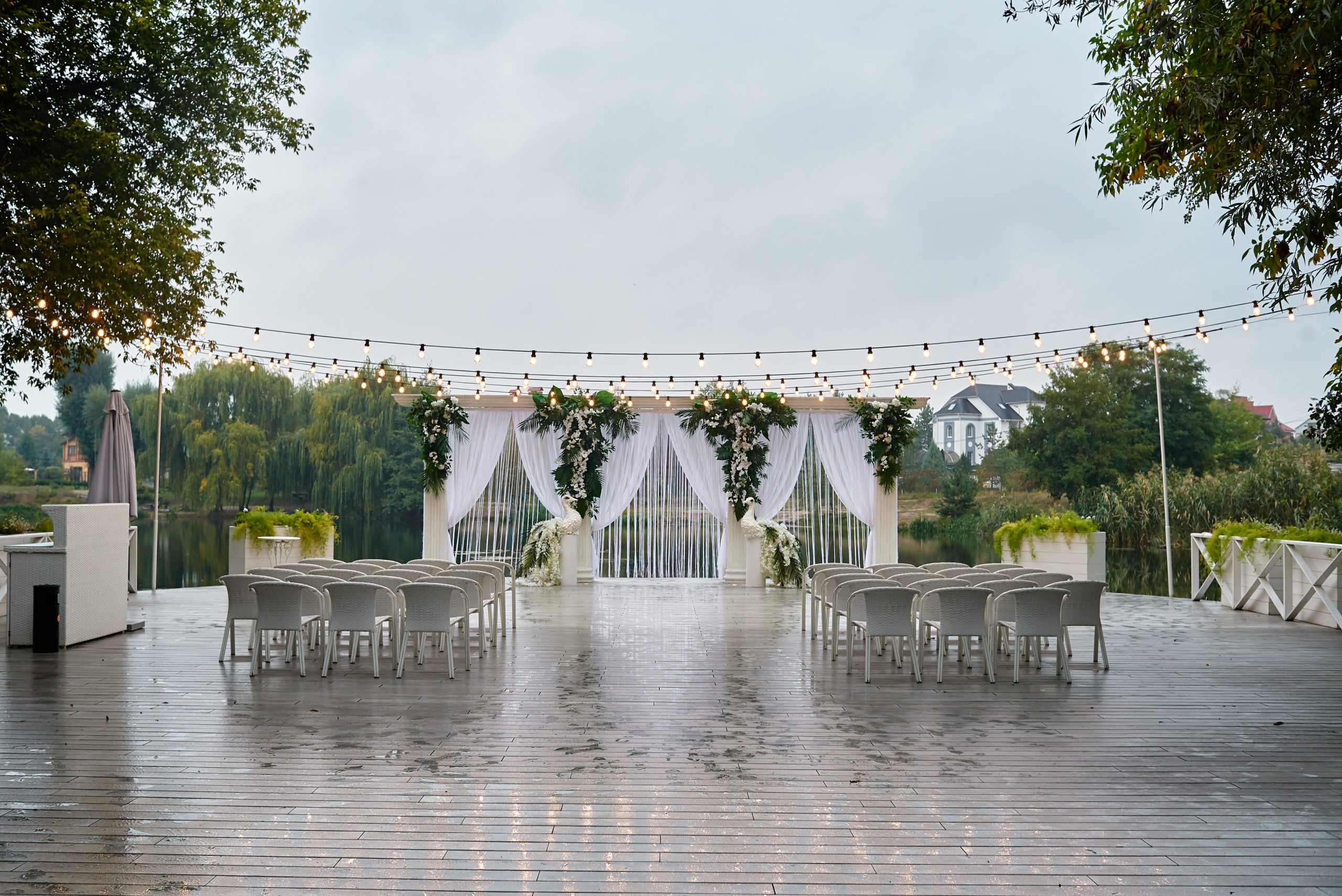
Rural Hampshire wedding venues can provide a beautiful setting for natural wedding photography.
Country houses, barns, gardens, woodland, open fields and village surroundings can all become part of the visual story of the day. However, making the most of a rural venue is not simply about identifying the most attractive viewpoint and scheduling a long portrait session there.
Good wedding photography needs to work around the wedding itself.
That means considering how guests move around the venue, when the best light is likely to appear, how much time you actually want to spend away from the celebration and what happens if the weather changes.
For couples choosing a relaxed, documentary approach, the aim is usually to make the surroundings part of the story without turning the day into a location photoshoot.
A little planning can make that much easier.
What makes rural Hampshire venues different for wedding photography?
Rural venues often have more variety than a single indoor event space.
You might have preparations taking place in one building, the ceremony somewhere else, drinks on a lawn, dinner in a barn and evening celebrations in another part of the property.
There may also be fields, woodland, gardens, courtyards or quiet lanes surrounding the venue.
Photographically, that gives you plenty of options.
It can also introduce practical considerations.
Distances between locations may be greater than they initially appear. Paths can become muddy in wet weather. Some outdoor areas may look beautiful but take ten or fifteen minutes to reach. Light can also change considerably depending on where buildings, trees and hills sit around the venue.
This is why it helps to think about the venue as a working environment for the whole day rather than simply a backdrop for portraits.
Should you choose photography locations before the wedding?
It can be useful to have a few ideas, but you do not necessarily need to create a detailed list of exact locations.
An experienced wedding photographer will usually assess the venue in relation to the conditions on the day.
A field that looks ideal during a venue visit may be in harsh sunlight when portraits are actually scheduled. A shaded garden may work much better.
Likewise, an area that seems ordinary at midday could become particularly atmospheric later in the evening.
Rather than deciding that every photograph must happen in one predetermined spot, it is usually better to remain flexible.
You can tell your photographer about parts of the venue you particularly like, then allow them to judge when and how those spaces might work best.
This approach gives you more chance of using the surroundings naturally.
How can couples make the most of countryside surroundings?
The countryside can create a strong sense of place without needing to dominate every photograph.
A rural wedding may include wide views, old buildings, mature trees, gardens and open space.
These can help establish the setting.
However, you do not need to disappear into the landscape for an hour simply because it is available.
A short walk around the venue can often provide plenty of variety.
Your photographer might use:
- the edge of a field
- a quiet garden path
- a barn doorway
- a courtyard
- mature trees
- the exterior of the venue
- a nearby lane or open view
The important thing is choosing locations that are practical as well as attractive.
If the best view requires a long walk across uneven ground, think about whether the photograph is worth the time away from guests.
Often, closer locations can create equally strong images while allowing you to return to the celebration quickly.
How much time should you allow for couple photographs?
This depends on the style of photography you want.
For a relaxed documentary wedding, you may only want a short period of dedicated couple photography.
Ten or fifteen minutes can sometimes be enough for a walk around a nearby part of the venue.
This gives you a selection of photographs together without turning the drinks reception into a lengthy photoshoot.
At a rural Hampshire venue, it can also make sense to split portraits into two shorter sessions.
For example, you might take a few photographs during the afternoon and then step outside again briefly later when the light has changed.
This can provide visual variety while keeping each session manageable.
It also means you do not have to abandon the wedding for a large block of time.
Why does the time of day matter?
Light changes continuously throughout a wedding day.
This is particularly noticeable at rural venues because there are often more open outdoor spaces.
Bright midday sunlight can create strong shadows, especially in open fields with no shade.
Later in the afternoon or evening, the light may become much softer.
That does not mean portraits can only happen at one particular time.
A good photographer should be able to work in different conditions.
However, if there is flexibility in the schedule, timing a short portrait session when the light is more favourable can make sense.
For summer weddings, this may mean stepping outside again later in the evening.
For autumn or winter weddings, daylight disappears much earlier, so portraits may need to happen before dinner.
Discussing these factors beforehand helps prevent missed opportunities.
How should couples plan around sunset?
Some couples specifically want photographs around sunset.
That can work beautifully at the right venue and in the right conditions.
However, it is best treated as an opportunity rather than a guaranteed event.
Cloud cover may remove the sunset entirely. The strongest light might happen during dinner. Trees or buildings may block the horizon.
Rather than restructuring the entire wedding around a particular photograph, allow your photographer some flexibility.
If the conditions suddenly become interesting, they may suggest stepping outside for five or ten minutes.
That short window can be enough.
This approach works especially well for couples who want photography to remain part of the wedding rather than control it.
What happens if a rural venue gets muddy?
This is a very practical consideration.
Fields and lawns can become soft quickly after rain, particularly during autumn and winter.
If you want to use countryside locations for portraits, think about footwear.
Bringing practical shoes or boots can make walking across wet areas much easier.
You can always change footwear once you reach the photography location if necessary.
Long wedding outfits may also need lifting while walking over muddy ground.
None of this means you should avoid outdoor photographs.
It simply helps to be prepared.
A rural venue is naturally exposed to the weather and landscape, and accepting some of that unpredictability can make the day feel much less stressful.
How should couples plan for rain at a Hampshire venue?
In Hampshire, as anywhere else in the UK, it is sensible to have a wet-weather plan.
Before the wedding, find out which indoor and covered spaces can be used if the weather changes.
This might include:
- barn entrances
- covered terraces
- porches
- indoor reception rooms
- staircases
- large windows
- sheltered courtyards
These areas can provide alternatives for portraits and group photographs.
It is also worth understanding how guests move between different parts of the venue.
If the ceremony, reception and accommodation are in separate buildings, umbrellas can be useful even if you are not planning to use them specifically for photographs.
The most important thing is knowing that rain will change the plan rather than destroy it.
How can weather improve the visual story?
Rural venues can feel very different depending on the weather.
Bright summer sunshine creates one atmosphere.
Grey skies, mist or rain create another.
Documentary wedding photography does not need every celebration to look identical.
Weather becomes part of the context of the day.
A damp autumn garden may feel completely different from a bright June lawn, but both can create a strong sense of place.
The photographer’s job is to respond to those conditions rather than fight against them.
Sometimes the weather can even create moments that would never otherwise happen, such as guests gathering under umbrellas or everyone squeezing into a barn doorway during a shower.
These interactions can become part of the wedding story.
How do rural venues affect family photographs?
Large outdoor spaces may seem like an obvious place for family group photographs.
They can work well, but convenience matters.
If guests are already gathered on the lawn after the ceremony, that may be a useful opportunity.
If everyone has moved indoors and you need to bring twenty people back across the venue, the process becomes much less efficient.
Think about family photographs in relation to the natural flow of the day.
A good photographer will usually try to organise them at a point when the people needed are already nearby.
Keeping the list concise helps too.
At a rural venue, it is especially easy for guests to spread out between gardens, bars and different buildings.
The fewer complicated combinations you have to organise, the sooner everyone can return to enjoying the celebration.
Should you visit the venue with your photographer beforehand?
It is not always necessary.
Wedding photographers regularly work at venues they have not previously photographed.
Light, weather and how the venue is being used can also change significantly between a site visit and the wedding itself.
What matters more is the photographer’s ability to assess the environment on the day.
However, if there are unusual access issues or particular areas that are important to you, it is worth discussing them in advance.
You might tell your photographer about:
- a viewpoint with personal significance
- a garden that is only accessible at certain times
- restrictions on where guests can walk
- areas that become difficult after rain
- unusual distances between key locations
This kind of practical information is more useful than trying to design every photograph before the wedding happens.
How can the venue become part of the story without taking over?
Your venue matters.
You chose it for a reason, and it should appear in the photographs.
But the venue is not the main character.
A gallery made up almost entirely of architectural photographs and empty landscapes may show where the wedding happened without showing much about what it felt like.
The strongest wedding storytelling combines the setting with people.
A wide photograph might show guests crossing a courtyard.
Another might place the couple within the surrounding countryside.
A barn can be photographed when it is empty and later when it is full of people celebrating.
This creates context while keeping the focus on the wedding itself.
You can explore examples of this balance in the Lemontree Photography portfolio.
How should couples plan preparations at a rural venue?
Preparations can be particularly important when the venue has several buildings or accommodation spaces.
Find out where each person will be getting ready and how far apart those locations are.
If both sets of preparations are taking place on the same property, they may still be at opposite ends of a large estate.
That affects how easily one photographer can move between them.
It is worth discussing the plan before the wedding rather than assuming every preparation location can be covered equally.
You can also think about the space itself.
Rooms with natural window light and enough space for the people getting ready tend to work more comfortably than small, cluttered rooms.
However, you do not need to redesign the morning purely for photography.
The relationships and interactions happening during preparations matter more than creating a perfect room.
What should couples consider about travel between locations?
Some rural weddings involve more than one location.
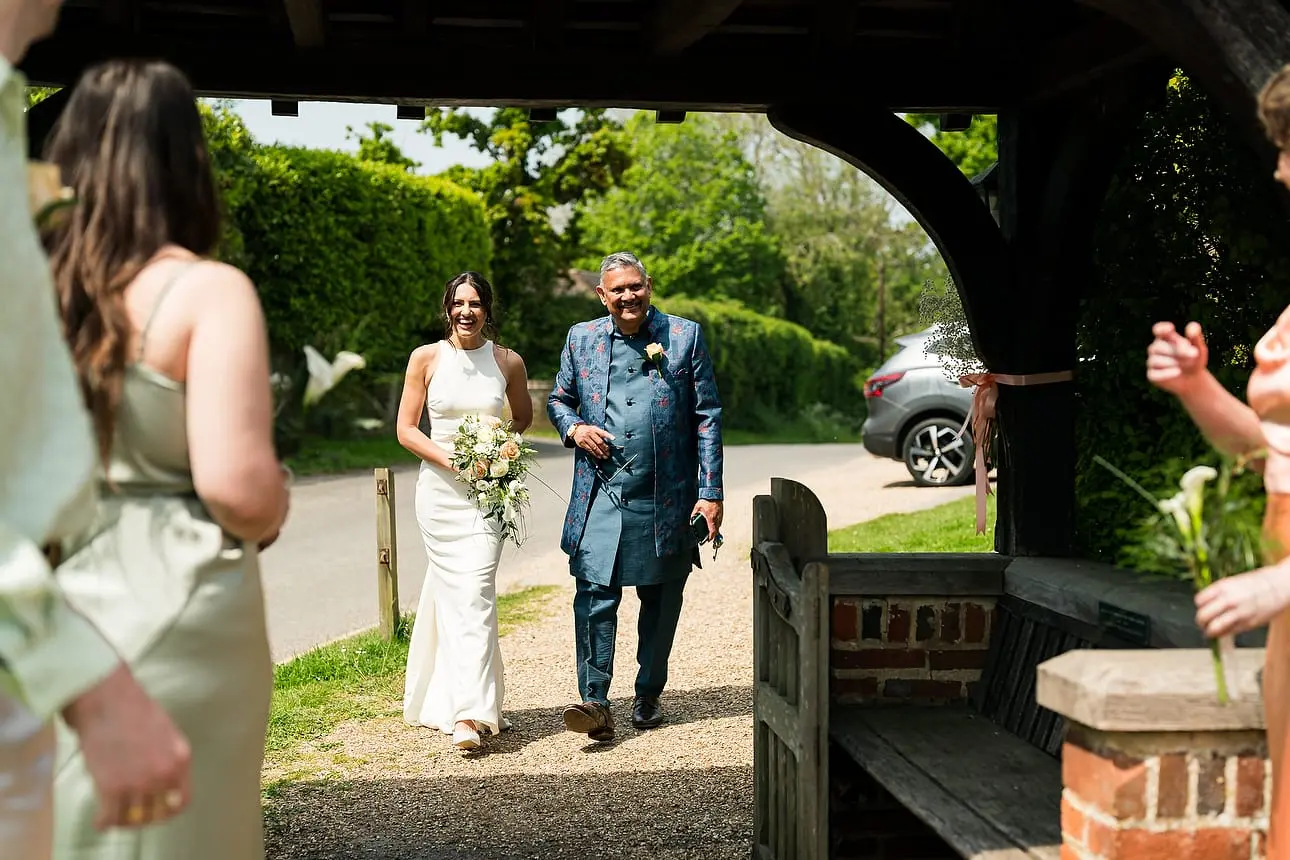
You might get ready at a hotel, marry in a village church and then travel to a countryside reception venue.
If so, travel time needs to be included in the photography plan.
Allow for realistic journeys rather than relying on the shortest possible sat-nav estimate.
Country lanes, wedding traffic and delays can all affect timings.
It is also worth thinking about what the photographer needs to do.
If they are following you between locations, they may need enough time to park and get into position before you arrive.
A small amount of extra breathing room can prevent this part of the day feeling rushed.
Can documentary photography work at formal country venues?
Absolutely.
Documentary photography describes the approach to photographing people and events, not the type of venue.
A formal country house wedding can still be documented naturally.
Elegant interiors, landscaped gardens and traditional architecture become part of the setting, while the photographer focuses on the genuine interactions happening within them.
Similarly, a rustic barn wedding does not automatically have to look informal in every photograph.
The photography can respond to the actual tone of the celebration.
The key is allowing the venue and people to speak for themselves rather than forcing the wedding into a predetermined visual style.
What practical details should you discuss with your photographer?
A useful pre-wedding conversation should cover more than a list of photographs.
For a rural Hampshire venue, discuss:
- ceremony and reception locations
- whether events are indoors or outdoors
- travel between different parts of the venue
- important family photographs
- any access restrictions
- likely portrait timings
- wet-weather alternatives
- sunset or evening possibilities
- anything particularly significant about the setting
You should also mention any parts of the venue you especially love.
That gives the photographer context without turning the conversation into a rigid shot list.
How can couples avoid spending too much time on photography?
Be clear about your priorities.
If you want a natural, documentary record of the day, tell your photographer that you do not want lengthy portrait sessions.
Keep group photographs focused on the combinations that genuinely matter.
Choose nearby locations rather than travelling to several different parts of the venue simply for variety.
And allow your photographer to capture the surroundings while the wedding is happening.
You do not always need to be removed from the celebration for the venue to feature strongly in the gallery.
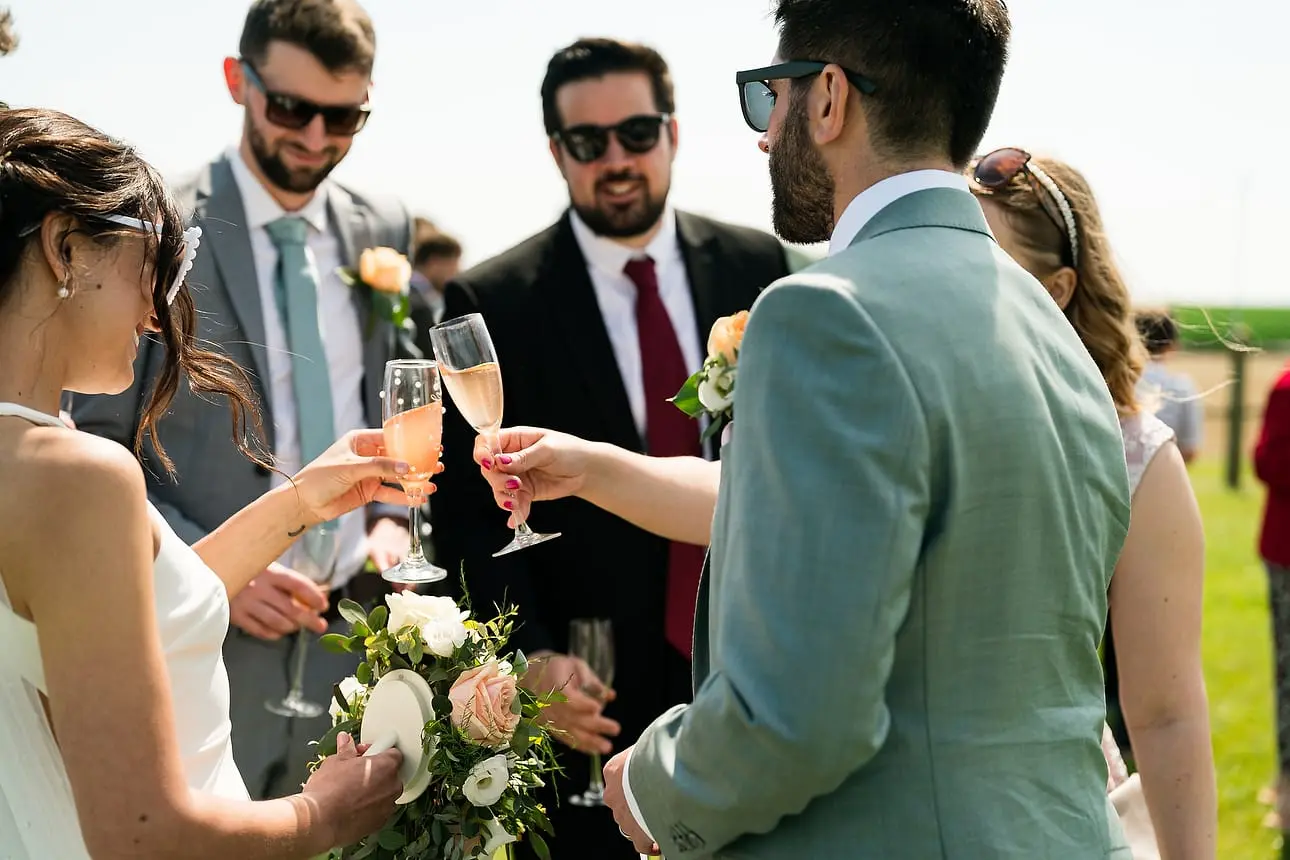
Guests drinking in a garden, walking between buildings or gathering outside after the ceremony can all help establish the rural setting naturally.
Frequently Asked Questions
Is Hampshire good for rural wedding photography?
Hampshire has a wide variety of countryside wedding settings, from barns and country houses to gardens and rural estates. The best photographic opportunities depend on the individual venue, season and conditions on the day.
Does a photographer need to have worked at our venue before?
Not necessarily. An experienced wedding photographer should be able to assess light, locations and practical considerations at an unfamiliar venue. Previous experience can be helpful, but adaptability is more important.
How long should rural wedding portraits take?
There is no fixed rule. For couples who want a documentary approach, a short session of around ten or fifteen minutes may be enough, with the option of another brief session later if conditions are good.
What if the best photography location is far from the venue?
Consider whether travelling there is worth the time away from your guests. Often, locations closer to the main celebration can produce equally meaningful photographs with less disruption.
Should we plan our wedding timeline around golden-hour photographs?
You can allow some flexibility for evening light, but it is usually better not to build the entire schedule around a particular weather or lighting condition that cannot be guaranteed.
What should we bring for countryside wedding photographs?
Practical footwear can be useful if fields or paths are wet. Depending on the forecast, umbrellas may also help you make use of outdoor areas without worrying about light rain.
Let the venue support the day, not control it
A rural Hampshire venue can give your wedding photographs a strong sense of place.
The countryside, architecture, gardens and changing light all contribute to the visual character of the day.
But you do not need to spend hours exploring every corner of the venue to make the most of it.
The strongest approach is often the simplest.
Build a little flexibility into your timings. Understand your wet-weather options. Keep dedicated portraits manageable and allow your photographer to respond to the conditions as they actually unfold.
That leaves more time for the most important part of the wedding: being there.
When the setting is photographed alongside genuine interactions, emotions and celebrations, the finished gallery can reflect both the beauty of the venue and what actually happened within it.
You can learn more about Lemontree Photography’s wedding photography, browse the portfolio, or get in touch to discuss photography for your Hampshire wedding.
Phone: 07847 046360
Email: az@lemontree-photography.co.uk
Find out more: https://www.lemontree-photography.co.uk/