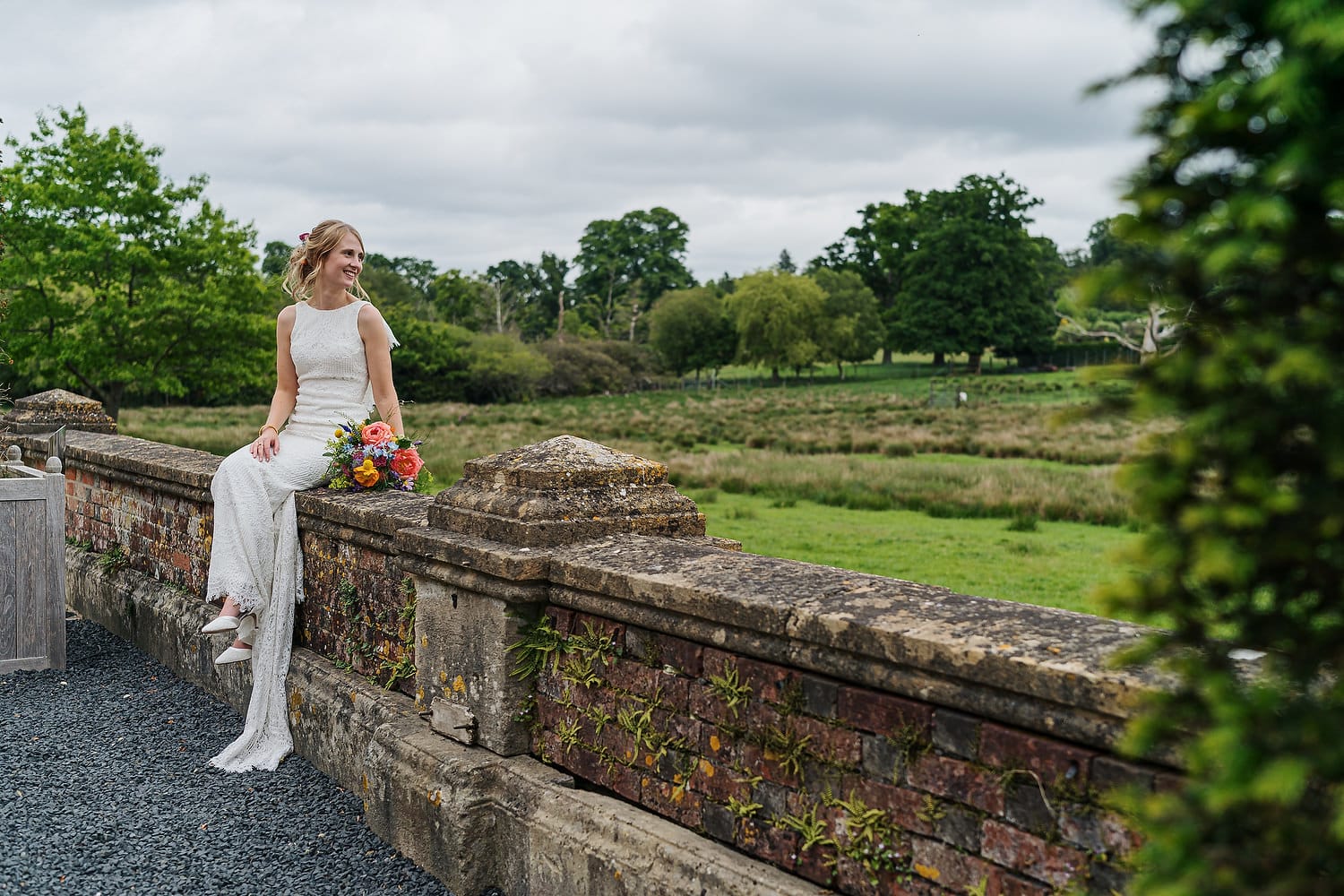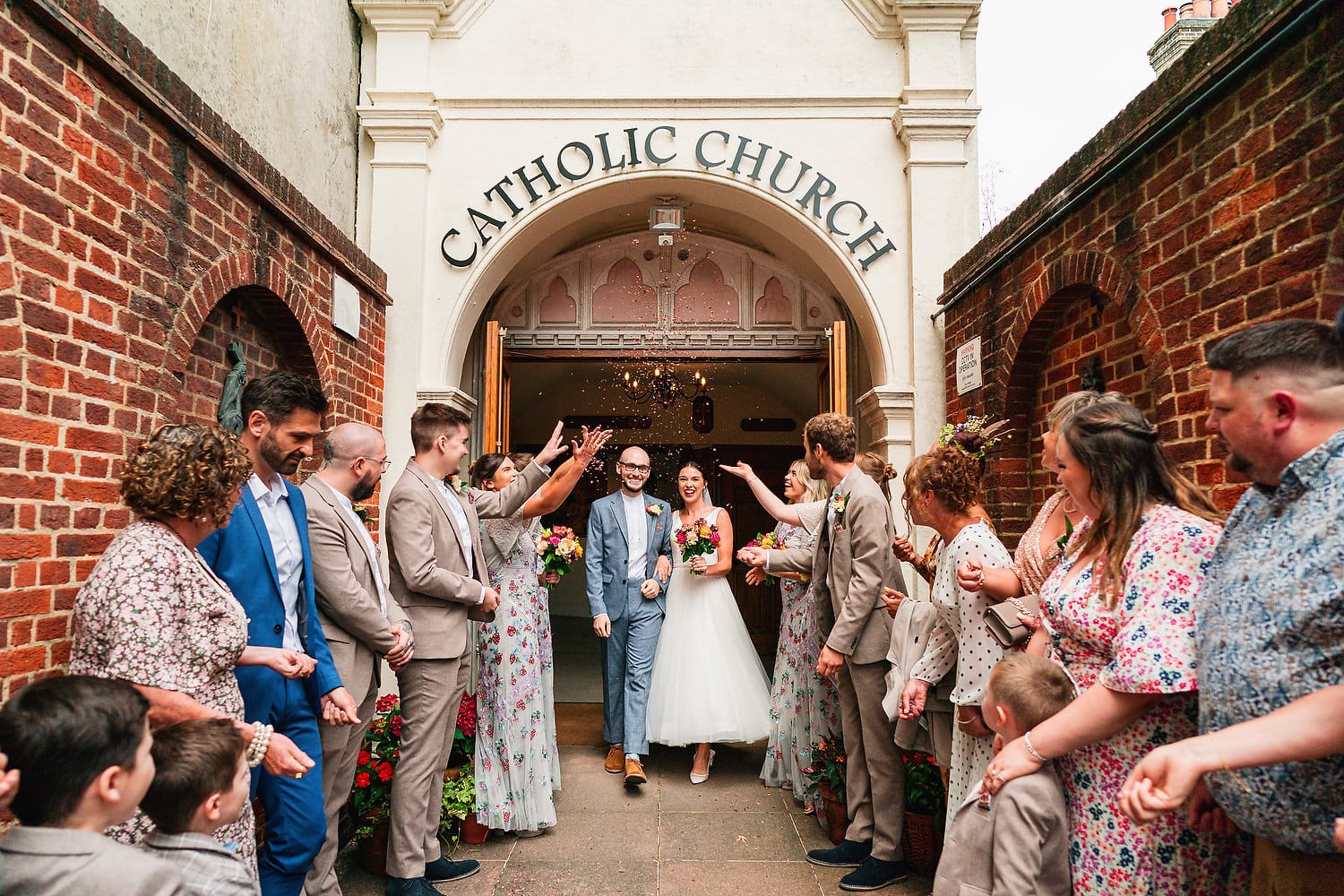
Countryside wedding venues can create beautiful opportunities for natural, relaxed and atmospheric wedding photography. Open fields, gardens, barns, woodland paths, courtyards, long driveways and rural views can all help shape the visual story of the day. But countryside venues also need a little practical planning, especially when it comes to timings, weather, lighting, access and how much movement is involved.
A countryside wedding can feel wonderfully relaxed, but the setting often plays a bigger role in the photography than couples first realise. The best results usually come from understanding the venue’s layout, the light at different times of day and how the schedule will flow between preparations, ceremony, drinks, portraits, speeches and the evening celebration.
This does not mean your wedding needs to become overly structured. Good planning simply gives the day enough space to unfold naturally, while helping your photographer capture the setting, the people and the real atmosphere without unnecessary stress.
What makes countryside wedding venues different for photography?
Countryside wedding venues often offer more variety than a single indoor venue. There may be a barn, farmhouse, manor house, garden, paddock, woodland area, terrace, lake, courtyard or nearby lane, each with its own character.
For photography, this can be a real advantage. It gives the final gallery a sense of place and helps tell the story of where the wedding happened, not just who was there.
However, countryside venues can also be more spread out. Guests may move between different spaces during the day. The ceremony might be in one area, the drinks reception somewhere else and the evening celebration in a barn or marquee. This affects how a photographer plans their coverage.
A photographer needs to understand:
- Where the main events are happening
- How far apart the key spaces are
- Where guests will naturally gather
- Which areas work best in different light
- What the wet-weather options are
- Whether there are any access restrictions
The more familiar the photographer is with the layout, the easier it becomes to work discreetly and capture moments as they happen.
How does natural light affect countryside wedding photos?
Light is one of the most important factors in wedding photography, and countryside venues can offer both beautiful opportunities and practical challenges.
Rural settings often have open skies, large gardens and scenic outdoor spaces. This can be wonderful, especially during softer light in the morning, late afternoon or evening. But open spaces can also mean bright midday sun, strong shadows, wind exposure or rapidly changing weather.
Bright sun can be beautiful but needs care
Many couples hope for sunshine on their wedding day, and understandably so. Bright sun can bring warmth, colour and energy to the photographs. However, harsh midday light can create strong shadows, squinting and uneven contrast.
A good photographer will look for flattering light, which may mean using shaded areas, positioning groups carefully or saving some couple portraits for later in the day when the light is softer.
This is especially relevant for outdoor ceremonies or drinks receptions. If your ceremony is planned in a very open space, it is worth thinking about where the sun will be at that time of day.
Golden hour can be ideal for relaxed portraits
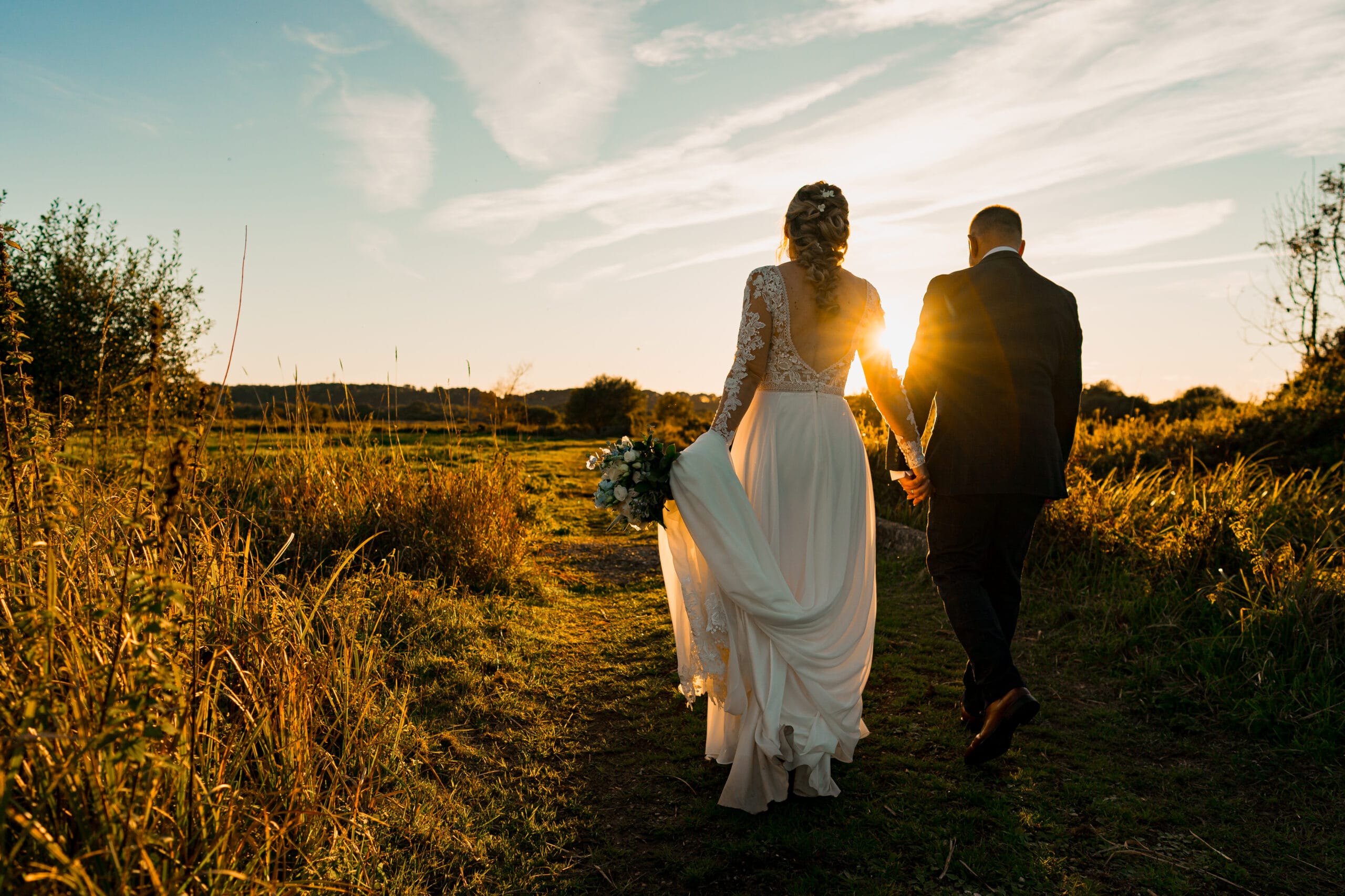
Countryside venues often come into their own during the evening. The light becomes softer, warmer and more flattering, especially in open fields, gardens or rural lanes.
This period is often called golden hour, and it can be a lovely time for a short set of relaxed couple portraits. You do not need to disappear for long. Even ten or fifteen minutes can be enough to create a beautiful set of natural images if the light and location are right.
Indoor light still matters
Barns, manor houses and country venues often have characterful interiors, but they can vary a lot in terms of light. Some barns are bright and airy, while others are darker and more atmospheric.
Neither is a problem, but your photographer needs to be comfortable working in changing light. Ceremony rooms, dining spaces and dance floors may all require different approaches.
For couples who prefer natural, documentary-style coverage, it is useful to choose a photographer who can work with available light where possible while still being prepared for darker conditions.
What should couples consider about weather and outdoor spaces?
Weather is always part of wedding planning in the UK, but countryside venues can make it especially important. Rural locations often rely on outdoor spaces for portraits, confetti, drinks receptions and guest movement.
A wet day does not mean poor photographs. Rain, mist, wind and dramatic skies can all add atmosphere. The key is having flexible plans.
Always know the wet-weather options
Before the wedding, ask the venue where photographs usually happen if it rains. There may be covered walkways, barns, doorways, sheltered courtyards, glasshouses, porches or indoor rooms that work well.
Your photographer can often find creative options, but it helps if everyone knows what is available before the day. This is particularly important for group photographs, as guests need somewhere practical to stand.
Paths and ground conditions matter
Countryside venues may have grass, gravel, muddy paths, fields or uneven ground. This can affect movement, especially for older guests, children, long dresses and certain footwear.
If you are planning portraits in a field or woodland area, it is worth being realistic about access. Beautiful locations are only useful if you can get to them comfortably and without taking too much time away from the celebration.
Wind can affect veils, hair and audio
Wind is often overlooked, but it can play a big role at countryside weddings. It can create beautiful movement in dresses and veils, but it may also affect outdoor ceremonies, hair, confetti and video audio.
If you are having hybrid photography or any video coverage, outdoor sound may need extra consideration. Vows, speeches or readings outside may require planning if clear audio is important.
How do timings and travel affect wedding photography plans?
Countryside weddings often involve more movement than city or hotel weddings. Preparations may happen in a cottage or nearby accommodation, the ceremony may be at a church or outdoor space, and the reception may be at a rural venue.
This can work beautifully, but timings need to be realistic.
Build in time for rural travel
Country lanes, limited parking, slow-moving traffic and long venue driveways can all add time. Even a short distance on a map may take longer than expected on the day.
If your photographer is covering morning preparations and then travelling to the ceremony, allow enough time for them to arrive ahead of you. They will usually want to capture guests arriving, ceremony details and the atmosphere before the entrance.
Avoid overfilling the schedule
Countryside venues invite exploration, but you do not need to use every possible photo location. Trying to fit in too many portrait spots can make the day feel rushed.
It is usually better to choose a small number of strong locations and leave room for natural moments. A relaxed schedule often leads to better documentary photographs because guests have time to interact, laugh, talk and enjoy themselves.
Think about the time of year
The season affects both light and timings. Summer weddings offer longer evenings, while autumn and winter weddings need earlier portrait planning because the light fades sooner.
If you are getting married in late autumn or winter, it may be important to schedule couple portraits and group photographs earlier in the day. For summer weddings, you may have more flexibility, especially for evening portraits.
How do countryside venues affect group photographs?
Group photographs are often simpler when planned carefully. At countryside venues, the main consideration is choosing a location that is accessible, well lit and easy for guests to find.
A beautiful field may look appealing, but it may not be practical for grandparents, young children or guests in formal shoes. A shaded courtyard, garden path or area near the drinks reception may work better.
Keep the group list focused
Large group photo lists can slow down the day, especially if guests are spread across a large venue. A shorter list keeps things smoother and gives everyone more time to enjoy the reception.
It helps to nominate someone who knows the family and can gather people quickly. Your photographer can organise the photographs, but they may not know who Uncle Martin or Cousin Sophie is.
Choose a sensible location
The best group photo location is not always the most dramatic backdrop. It needs good light, enough space and easy access. Shade is often better than direct sun because it avoids squinting and harsh shadows.
If the venue has steps, a courtyard or a clean open area close to the main reception space, that may be more useful than a distant scenic viewpoint.
How can you make the most of countryside wedding portraits?
Countryside venues are ideal for natural couple portraits because they often offer space, texture and atmosphere. But the best portraits do not need to involve a long photoshoot.
A documentary-led photographer will usually keep this part of the day relaxed and simple. The aim is to give the couple a quiet moment together while using the landscape naturally.
Choose comfort over complicated locations
A field at sunset, a barn doorway, a garden path or a quiet lane can all work beautifully. The location does not need to be dramatic if the light, mood and connection are right.
Couples often look more comfortable when they are moving rather than holding formal poses. Walking, talking, laughing or taking a few minutes away from the crowd can lead to portraits that feel much more natural.
Use the venue’s character
Every countryside venue has its own feel. Some are rustic and informal. Others are elegant, historic or garden-focused. The photography should reflect that character rather than forcing a generic style onto the setting.
A barn wedding might lend itself to warm textures, festoon lights and relaxed outdoor moments. A country house wedding may offer elegant interiors, manicured gardens and sweeping views. A woodland venue may create a softer, more intimate atmosphere.
Looking through a photographer’s portfolio can help you understand how they use different settings without making the images feel staged.
Leave time for spontaneous moments
Some of the best countryside wedding photographs happen between planned parts of the day: guests walking across a lawn, children playing, a couple taking a quiet breath, family members chatting near a barn door or friends gathering under trees.
These moments are difficult to manufacture. They happen when the day has enough space to breathe.
What should you ask your venue before the wedding?
Your venue can provide useful information that helps your photographer plan effectively.
It is worth asking:
- Where do couples usually have photographs if it rains?
- Are there any areas that are out of bounds?
- What time does the sun set at the venue during our wedding month?
- Are outdoor ceremonies affected by wind or sound restrictions?
- Where do group photographs usually work best?
- Is there enough parking and access for suppliers?
- Are there restrictions on confetti, drones or evening lighting?
Not every question will be relevant to every wedding, but these details can prevent stress on the day.
If you are booking a photographer early in the planning process, they may also be able to help you think through the photography implications of your timings, ceremony location and portrait plans.
How does documentary photography suit countryside weddings?
Documentary wedding photography is especially well suited to countryside venues because it captures the day as a whole experience. The setting becomes part of the story, but it does not overpower the people or emotions.
A countryside wedding often has a natural rhythm: morning preparations, guest arrivals, open-air drinks, movement between spaces, speeches, evening light and dancing. A documentary approach captures those transitions without needing to stop the day constantly.
This style works well for couples who want their photographs to feel relaxed, honest and connected to the atmosphere of the venue.
Rather than spending hours away from guests for staged images, couples can enjoy the setting naturally while the photographer documents what happens.
You can learn more about this relaxed approach on the wedding photography page.
Frequently Asked Questions
Do countryside wedding venues need more photography planning?
They often benefit from a little extra planning because the spaces can be more spread out and weather can affect outdoor areas. This does not mean the day needs to feel rigid. It simply helps your photographer understand the layout, light and backup options.
What happens if it rains at a countryside wedding?
Rain does not ruin wedding photographs. Covered areas, barns, doorways, porches and indoor spaces can all work well. It helps to know the venue’s wet-weather options in advance and to stay flexible on the day.
Are outdoor ceremonies harder to photograph?
Outdoor ceremonies can be beautiful, but light, wind and guest positioning all matter. Strong sun can create harsh shadows, while wind may affect veils, hair or audio. A photographer will plan around these conditions where possible.
How long should countryside wedding portraits take?
They do not need to take long. Many couples only need a short portrait session of around ten to twenty minutes, especially if the venue has good locations nearby. A second short session in evening light can also work well.
Should we visit photo locations before the wedding day?
A venue visit can be useful, but it is not always essential. Experienced photographers are used to assessing light and locations on the day. However, discussing favourite areas, access and wet-weather options beforehand can be helpful.
Final thoughts
Countryside wedding venues can be wonderful for photography. They offer space, character, natural light and atmosphere, all of which help create a rich and personal record of the day.
The main things to consider are light, timings, weather, access and how the venue’s spaces connect. With a little planning, your photography can feel relaxed rather than rushed, giving your photographer the freedom to capture both the setting and the real moments that happen within it.
The best countryside wedding photographs are not just about beautiful views. They are about people enjoying the place, the celebration and each other. When the schedule allows the day to unfold naturally, the venue becomes part of the story without taking attention away from what matters most.
For natural, documentary-style wedding photography across Hampshire and the South of England, explore Lemontree Photography’s about page, browse the portfolio, or get in touch through the contact page.
Phone: 07847 046360
Email: az@lemontree-photography.co.uk
Find out more: https://www.lemontree-photography.co.uk/
See my work on Instagram