Some wedding moments work beautifully as a single photograph. Others gain something
completely different when movement and sound are preserved alongside the still image.
That is why couples considering both photography and video often find that the two formats complement each other rather than simply documenting the same thing twice.
A photograph can isolate a fleeting expression, gesture or glance and turn it into an image you can return to instantly. Video adds another layer. It can preserve a voice, the sound of laughter, the way someone moved across a room or the atmosphere building around a particular moment.
Certain parts of a wedding particularly benefit from having both.
The ceremony, speeches, confetti, first dance and spontaneous interactions throughout the day can all be experienced differently through still photography and moving footage. When both are captured naturally, they can create a richer account of how the wedding actually felt.
Why do photography and video capture wedding moments differently?
Photography and video are both visual forms of storytelling, but they preserve memories in different ways.
A photograph takes one fraction of a second and gives it permanence.
A small expression that lasted almost no time at all can become one of the strongest images in an entire wedding gallery. You can notice details in a still image that may have passed unnoticed when they happened.
Video preserves duration.
Instead of showing one expression during a speech, it can show how somebody’s reaction changes as they listen. Instead of recording a couple at the end of the aisle, it can preserve the movement towards each other and the sounds around them.
Sound is particularly significant.
Voices change over the years, which can make recordings of vows, speeches, laughter and conversations especially meaningful in the future.
Neither format necessarily replaces the other.
Photography gives you individual moments you can display, print and revisit instantly. Video brings certain parts of the day back through movement, voices and atmosphere.
Which ceremony moments benefit most from both photo and video?
The ceremony contains several moments where still photographs and video can each preserve something different.
Walking down the aisle
The entrance is one of the clearest examples.
A photograph might capture the expression of someone walking into the ceremony, their partner’s reaction or the response of a parent watching nearby.
Video can add the movement itself.
It records the walk, changes in expression and potentially the sound and atmosphere surrounding the entrance.
There may also be several reactions happening at once. One camera may focus on the person entering while another perspective captures the person waiting at the front.
Together, these different records create a much fuller memory of a moment that can feel surprisingly quick when you are actually experiencing it.
The vows
Vows are naturally suited to video because the words themselves matter.
A still image can capture the emotions visible while someone is speaking or listening. Video preserves the voice, pauses and delivery that cannot exist in a photograph.
Even couples using standard ceremony wording may later value hearing the way those words were spoken.
For personalised vows, the value can be even greater.
Written vows can of course be kept, but hearing someone’s voice again creates a different kind of memory.
Exchanging rings
Ring exchanges often involve small movements and reactions.
Photography can focus attention on a hand, expression or brief moment of laughter if something does not go entirely to plan.
Video preserves the sequence as it unfolds.
This is one of the strengths of combining the two formats: one can highlight a single emotional detail while the other preserves the progression of events around it.
The end of the ceremony
That moment immediately after the ceremony can contain a burst of energy.
There may be applause, laughter, music, cheering or guests reacting as the couple walks back down the aisle together.
A photograph can freeze the strongest expressions within that excitement.
Video can preserve the energy of the whole room.
For couples who want a more complete record rather than a sequence of staged highlights, these overlapping perspectives can help tell the story naturally.
Why is confetti particularly good for both photography and video?
Confetti is highly visual, unpredictable and full of movement, which makes it a natural opportunity for both still photography and moving footage.
A photograph can capture a split second when confetti fills the air around the couple.
That moment may last for less than a second, but frozen into a still image it becomes something you can study in detail.
Video shows how chaotic the same moment actually was.
You can see guests throwing the confetti, the couple reacting and everyone moving through the scene.
There may also be laughter, cheering or instructions being completely ignored.
That combination of a strong still image and energetic footage helps preserve both the appearance and experience of the moment.
It also illustrates why combining formats does not mean creating two identical records.
Each one notices something different.
Why are speeches so valuable in photo and video?
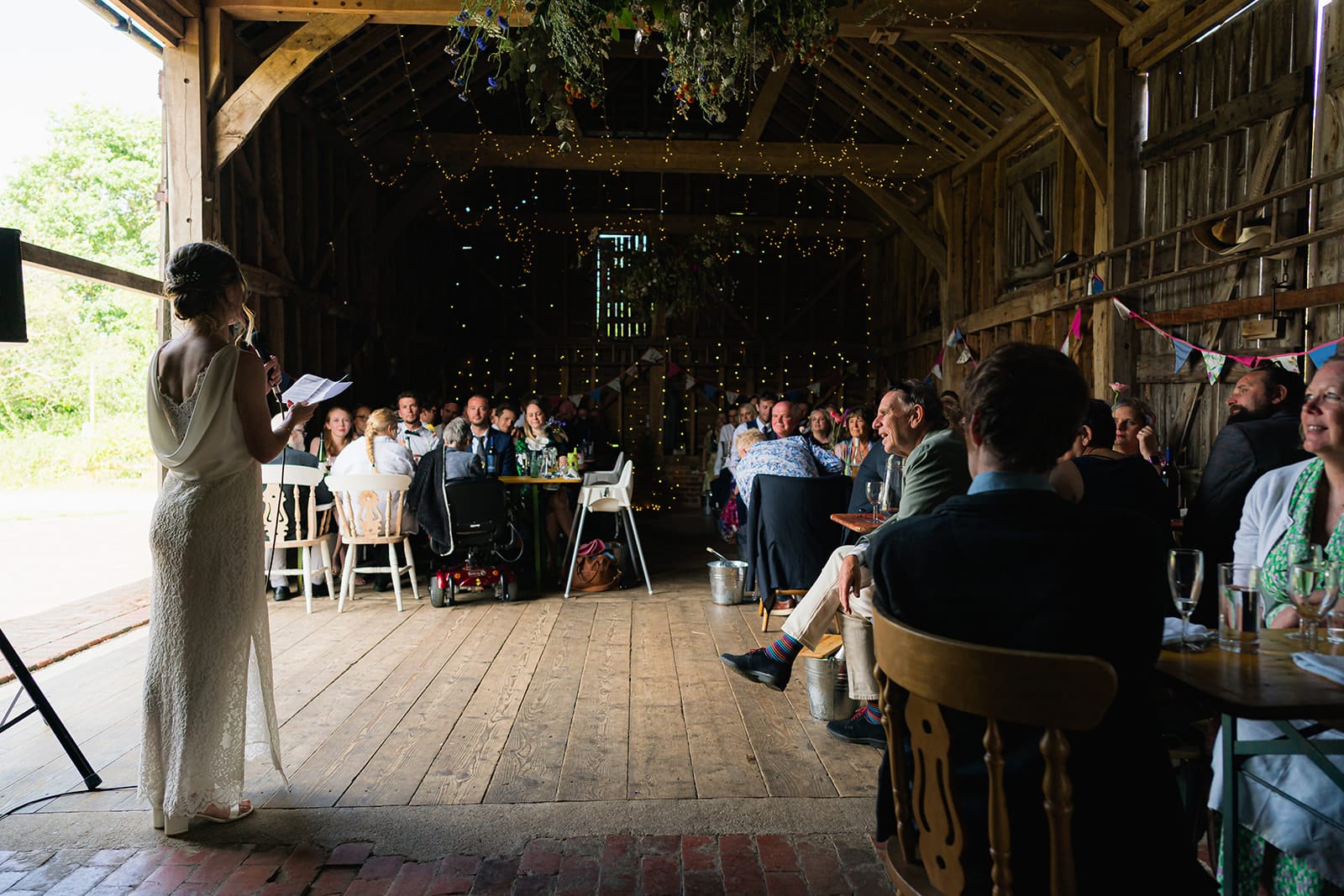
Speeches are among the most obvious parts of a wedding to record with sound.
Years after the wedding, hearing a parent’s voice or a friend’s delivery of a familiar story may be as meaningful as remembering the words themselves.
Video preserves those voices.
It also keeps the timing of jokes, pauses, laughter and emotional moments intact.
Photography contributes something else.
During a speech, the person speaking is only one part of what is happening.
Across the room, guests may be laughing, crying or exchanging looks. The couple themselves may move through several different reactions within a few minutes.
A documentary photographer can watch the room for these moments while the speech continues.
One particularly expressive reaction might become a photograph that communicates the atmosphere of the entire speech in a single frame.
Video, meanwhile, gives you the context behind that reaction.
Together, they can be particularly powerful.
What does video add to candid moments?
Candid wedding photography is effective because people are not performing for the camera.
Friends are talking, relatives are greeting each other and guests are simply experiencing the day.
Still photography can capture these interactions at precisely the right moment.
Video can reveal the movement surrounding them.
A grandparent laughing with a family member can become a beautiful photograph, but short footage may preserve the way they spoke, gestured or smiled.
A child running through a reception might create an entertaining still image. Video adds the speed, movement and unpredictability that made the moment funny in the first place.
These are not necessarily the obvious headline events of the wedding.
Sometimes they are tiny pieces of everyday behaviour.
That can make them particularly valuable because they preserve people as you actually remember them.
Which family moments benefit from both formats?
Weddings often bring together people who do not see each other regularly.
That creates opportunities for photographs and footage that may become more important with time.
Consider moments such as:
- parents seeing the couple before the ceremony
- grandparents talking with family members
- children interacting with relatives
- friends greeting each other after a long time apart
- spontaneous hugs during the reception
A photograph can preserve the strongest instant within one of these interactions.
Video can preserve the interaction itself.
Neither requires directing or recreating the moment.
In fact, these memories are often strongest when the people involved appear unaware that they are being documented.
This is one reason a relaxed, documentary approach can work particularly well when using both photography and video.
Is the first dance better in photographs or video?
The first dance works well in both formats because it combines emotion, movement and atmosphere.
Photography can capture expressions, gestures and the environment around the couple.
It may also include reactions from friends and family watching nearby.
Video shows the dance itself.
That can be especially meaningful if the choice of music, movement or interaction has personal significance.
However, the story does not necessarily stop with the official first dance.
Once guests join in, the dance floor often becomes much less predictable.
This can be one of the best parts of the evening to document naturally.
Photography freezes the funniest and most expressive split seconds.
Video preserves movement and energy that cannot be fully communicated by a still frame.
How can music and sound become part of the wedding memory?
Sound is one of the clearest differences between photographs and video.
A photograph can remind you that music was playing, but it cannot preserve how a room sounded.
Video may capture:
- ceremony music
- applause
- laughter
- speeches
- cheering
- singing
- conversations
- the atmosphere of the dance floor
Even sounds that seem ordinary on the wedding day may become meaningful later.
A short recording of guests chatting before dinner might not initially appear particularly significant.
Years afterwards, hearing familiar voices can make the scene feel immediate again.
This is one of the reasons moving footage can complement a photographic record rather than simply duplicating it.
What moments are usually strongest as photographs?
Even when couples choose both formats, some moments particularly suit still photography.
Portraits are an obvious example.
A well-timed portrait creates an image that can be printed, framed or included in an album.
Small emotional reactions also work exceptionally well as photographs because the photographer can isolate a moment from everything happening around it.
This might include:
- a nervous glance before the ceremony
- a parent’s expression
- somebody laughing during a speech
- an affectionate gesture between guests
- a quiet moment away from the reception
- an unexpected reaction on the dance floor
The ability to freeze these split seconds gives photography its own storytelling strength.
A video may show the entire interaction, but a still photograph can make you notice one tiny part of it more clearly.
What moments are especially valuable on video?
Moving footage becomes particularly useful when sound, sequence or movement is central to the memory.
This can include:
- vows
- readings
- speeches
- walking down the aisle
- confetti
- musicians performing
- the first dance
- energetic dancing later in the evening
It can also add value to less structured moments.
For example, footage of guests arriving may preserve snippets of conversation and movement around the venue that help establish the atmosphere before the ceremony.
The important thing is not necessarily to record every second of the day.
A carefully observed selection of meaningful moments can create a much more enjoyable record than trying to document everything continuously.
How can photo and video work together without making the wedding feel staged?
For some couples, the idea of having both photography and video raises one understandable concern: will there constantly be cameras around us?
There do not need to be.
A documentary approach relies on observation rather than repeatedly stopping events to manufacture content.
The photographer and filmmaker can work around what is already happening.
That means the wedding remains the priority.
You can talk to guests without being told to repeat the conversation. You can enjoy the drinks reception without constantly being pulled away. If something funny happens, it is documented as it happens rather than recreated afterwards.
This approach also helps photo and video feel consistent.
If one format is highly staged and the other is documentary, the finished results can feel as though they represent two different weddings.
A shared natural approach allows both to preserve the same atmosphere in complementary ways.
You can see how natural wedding imagery works across a complete day in the Lemontree Photography portfolio.
Do you still need dedicated couple portraits?
Having both photo and video does not mean every moment must be candid.
Many couples still want some time for portraits together.
The difference is that this can be kept relaxed and relatively brief.
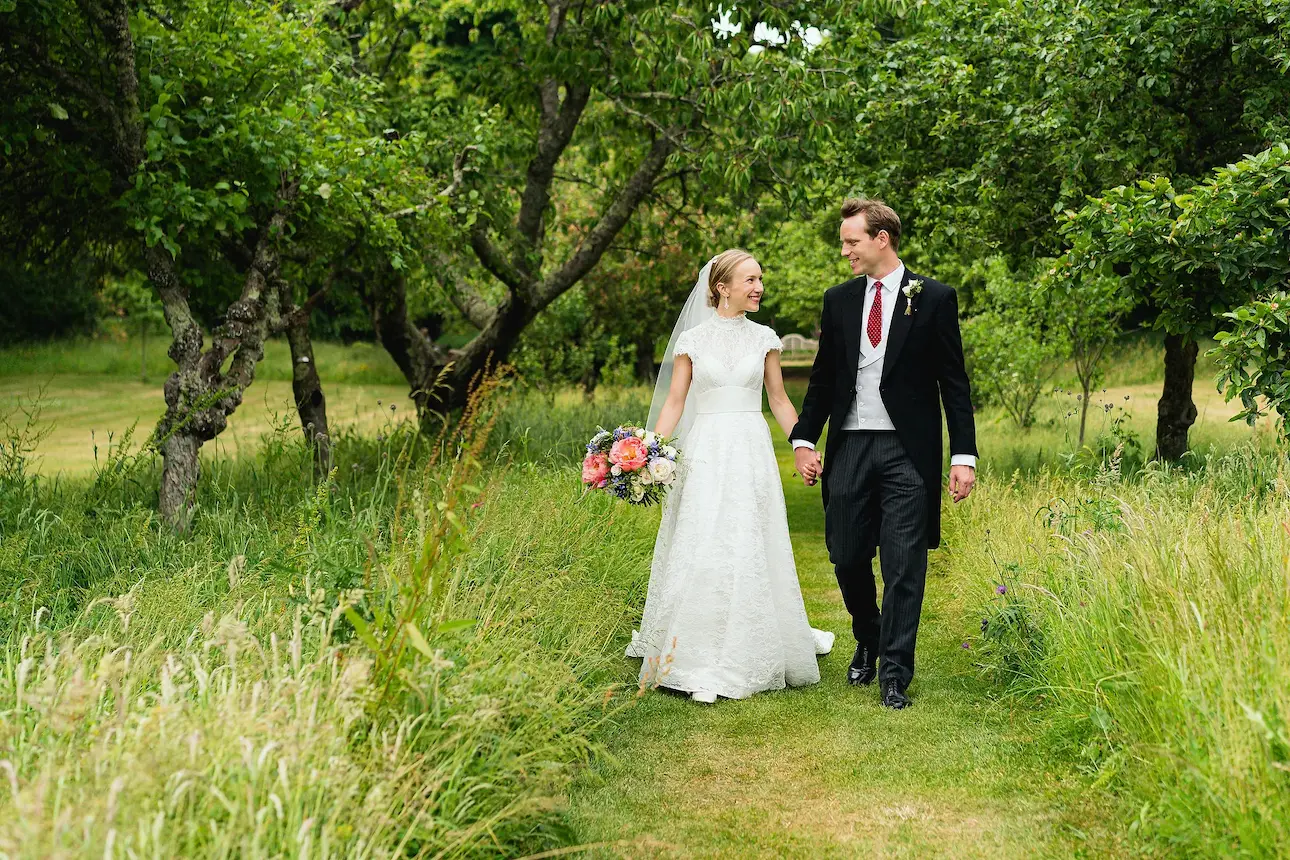
A short walk around the venue can create opportunities for photographs while also allowing moving footage of the couple naturally interacting.
Instead of performing a long list of poses, you might simply talk, walk and enjoy a few minutes away from the main celebration.
This can produce both strong still photographs and natural footage without turning the wedding into a production.
How should couples decide what matters most?
Before the wedding, think about which memories are particularly important to you.
The answer may be different for every couple.
If family relationships are central to the day, you might particularly value candid interactions and speeches.
If you have written your own vows, recording the ceremony may feel especially important.
If you are planning a lively evening celebration, footage from the dance floor might matter more than extended recordings of preparations.
Talk to your photographer about those priorities.
You do not necessarily need to create a minute-by-minute shot list. Experienced wedding photographers know the usual rhythm of a wedding day.
However, knowing which people, traditions or moments have particular significance can help them recognise the things that matter most to you.
Frequently Asked Questions
Is it worth having both wedding photography and video?
For couples who value both still images and moving memories, the formats can complement each other well. Photography freezes individual moments, while video can preserve voices, movement and atmosphere.
What wedding moments are most important to film?
Vows, speeches, entrances, confetti and the first dance are particularly valuable because sound or movement is an important part of the memory.
Does having video make wedding photography more difficult?
It should not when both are approached thoughtfully. The key is allowing the day to unfold naturally and avoiding unnecessary staging or interruptions.
Can candid moments be captured on video?
Yes. Natural footage of guests, family and spontaneous interactions can be particularly meaningful because it records behaviour and voices without requiring people to perform for the camera.
Should every part of a wedding be recorded in both formats?
Not necessarily. The strongest approach is usually to use each format where it adds something meaningful rather than trying to duplicate every single moment.
Are photographs still important if you have a wedding film?
Yes. Photographs offer something fundamentally different. They allow individual moments to be displayed, printed and revisited instantly, while also drawing attention to expressions and details that may last only a fraction of a second.
Two ways of remembering the same day
Photography and video do not have to compete with one another.
They are simply different ways of preserving memories.
A photograph might become the image you keep framed in your home. Video might let you hear a loved one’s speech again years later.
One can freeze a tiny expression that nobody else noticed. The other can show how that expression appeared, changed and disappeared within a larger moment.
For couples who want a fuller record of their wedding, the value often lies in those differences.
The most effective approach is not to capture every part of the day twice simply for the sake of it. It is to recognise which moments are strengthened by movement, sound or a carefully timed still image and allow each format to do what it does best.
When photography and video are both approached naturally, they can preserve different layers of the same story without taking over the wedding itself.
You can explore Lemontree Photography’s wedding photography, browse the portfolio, or get in touch to discuss how you would like your day documented.
Phone: 07847 046360
Email: az@lemontree-photography.co.uk
Find out more: https://www.lemontree-photography.co.uk/