Choosing a wedding photographer is about much more than finding someone whose photographs look good on Instagram. Your photographer will be alongside you for a large part of one of the most important days of your life, so their personality, approach and way of working matter just as much as the finished photographs.
Knowing what questions to ask before booking a wedding photographer can therefore make the decision much easier. The right conversation should help you understand what the photographer’s style is really like, how they work during a wedding, what is included in their coverage and whether you are likely to feel comfortable having them around.
It is also an opportunity to talk about what matters to you. Some couples want plenty of portraits and group photographs, while others would prefer their photographer to document the day naturally with very little interruption. Neither approach is inherently better, but finding someone whose way of working matches the wedding you are planning can make a significant difference.
Here are some of the most useful things to discuss before making your decision.
What should you ask about a wedding photographer’s style?
Most photographers describe their work using terms such as documentary, natural, editorial, traditional or candid. These descriptions are useful, but they can mean slightly different things from one photographer to another.
Rather than relying on a label alone, ask the photographer to explain how they actually photograph a wedding.
For example, you might ask:
- How would you describe your photography style?
- How much direction do you normally give couples?
- Do you mainly photograph candid moments or create posed portraits as well?
- How do you approach group photographs?
- How much of the day do you document without intervening?
For couples who dislike the idea of spending their wedding day repeatedly posing for photographs, a more documentary approach can be particularly appealing.
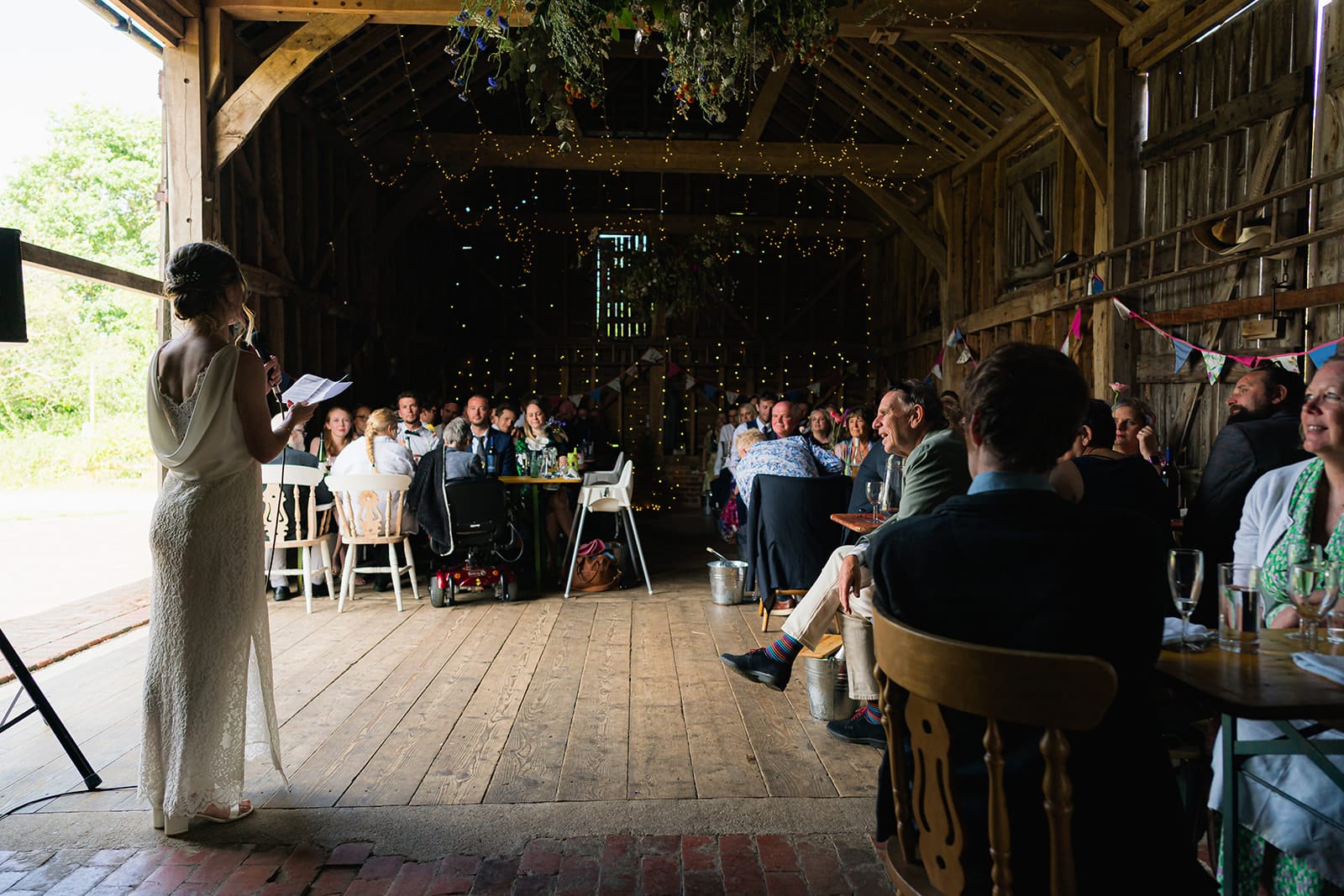
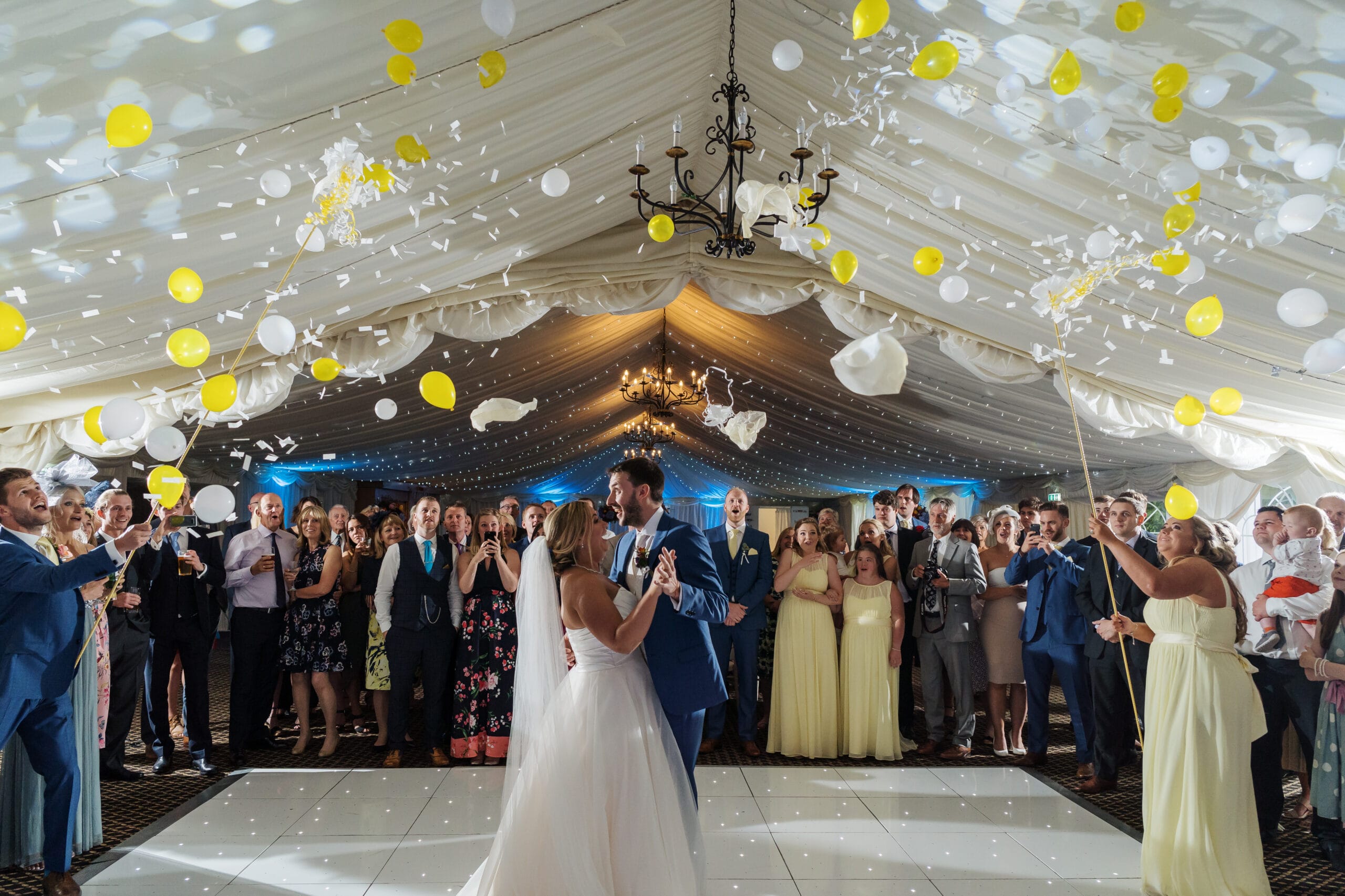
Documentary wedding photography focuses on observing what is happening and capturing moments as they naturally unfold. That might include a parent’s reaction during the ceremony, friends laughing during the reception or a brief quiet moment between the couple that nobody else notices.
There will often still be opportunities for portraits and important family photographs, but they do not need to dominate the day.
If that sounds closer to what you want, take some time to explore examples of wedding photography and think about whether the photographs feel natural rather than simply whether individual images look impressive.
Can you see complete wedding galleries?
A photographer’s portfolio naturally contains some of their favourite images. It is designed to show their work at its strongest, which makes it useful when comparing styles.
However, a wedding is not made up entirely of dramatic portraits, perfect sunsets and beautifully styled details.
Ask whether you can look through examples that show a broader range of photographs from wedding days. This gives you a clearer idea of how the photographer handles different parts of the day, including:
- preparations
- ceremonies
- family photographs
- candid moments
- speeches
- indoor receptions
- evening celebrations
- difficult or changing light
Looking through a wider wedding photography portfolio can also tell you whether the photographer’s approach remains consistent throughout the day.
Pay particular attention to the moments between the obvious highlights. Often, these are the photographs that eventually become some of the most meaningful because they show the people, conversations and reactions you may not have noticed yourself.
How much wedding photography coverage do you actually need?
Before booking, find out exactly when your photographer expects to begin and finish.
Wedding photography is often discussed in terms of hours, but it can be more useful to think in terms of the story you want captured.
If you would like photographs of the morning preparations, for example, your photographer will need to arrive well before the ceremony. If the evening celebration is important to you, you may want coverage to continue beyond the first dance.
Ask questions such as:
- When would you normally arrive?
- Which parts of the preparations can you photograph?
- How long do you normally stay into the evening?
- What happens if the day’s timings change?
- Can coverage be extended if necessary?
A full wedding day contains several distinct chapters. Preparations establish the atmosphere and anticipation. The ceremony captures the commitment itself. The drinks reception is usually full of spontaneous interactions. Speeches reveal emotions and stories, while the evening often shows guests at their most relaxed.
You do not necessarily need every possible part of the day photographed. What matters is understanding what is important to you before agreeing the coverage.
How does the photographer work during the wedding?
This is one of the most important questions, particularly if you want your wedding to feel relaxed.
Ask the photographer what guests are likely to notice about them during the day.
Some photographers take a highly directed approach, regularly organising scenes and asking couples or guests to move into particular positions. Others prefer to remain relatively unobtrusive and allow events to happen naturally.
If you are drawn to natural wedding photography, you may want someone who can anticipate moments rather than recreate them afterwards.
There are times when some direction can still be helpful. Family photographs may need organising efficiently, for instance, while a couple might appreciate a little guidance during a short portrait session.
The key distinction is between guidance when it is useful and constantly controlling what is happening.
Ask how the photographer balances the two.
What happens during couple portraits?
Many people who say they dislike having their photograph taken are really saying they dislike feeling as though they are posing for a camera.
That is worth discussing before booking.
Ask the photographer how they normally approach portraits of the couple and how much time they expect them to take.
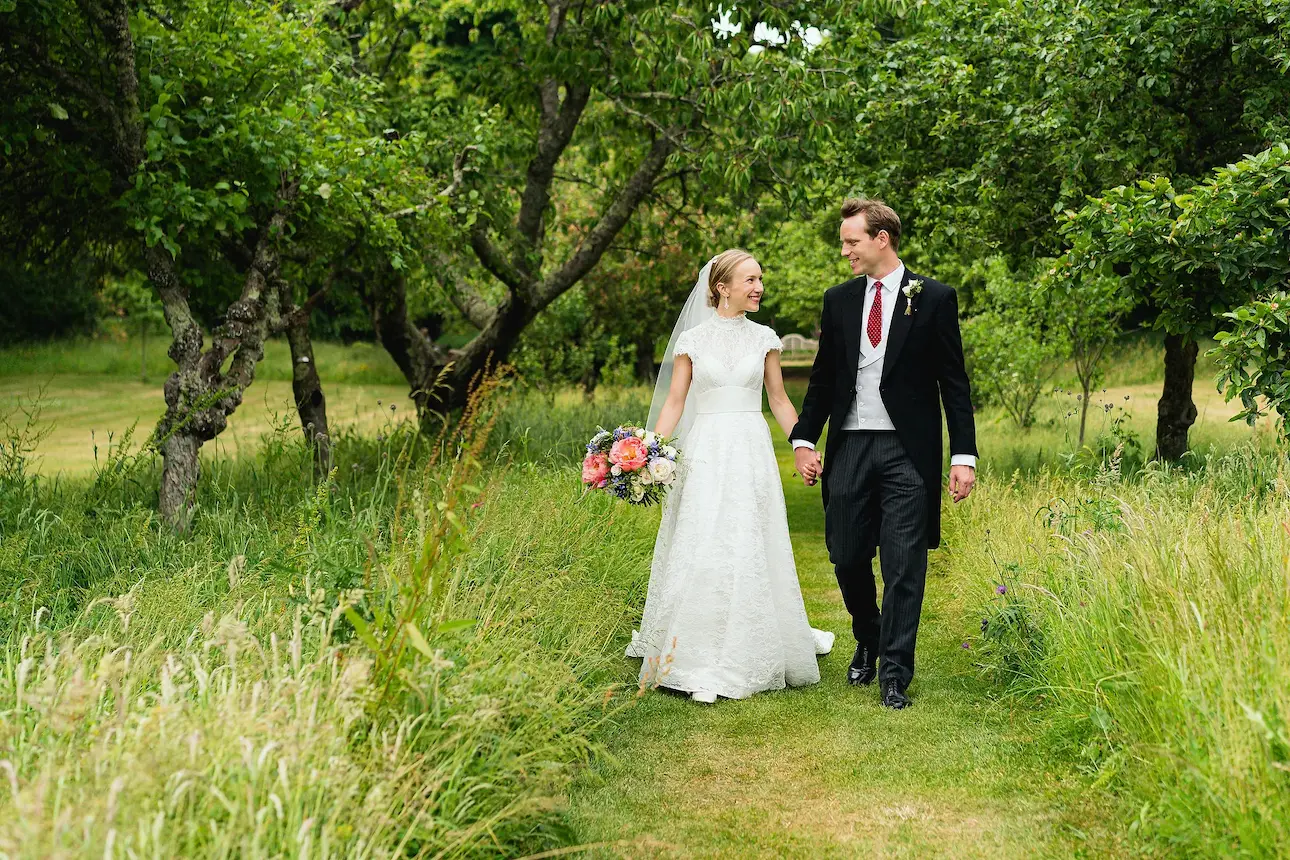
A relaxed portrait session does not necessarily involve elaborate poses. It might simply mean taking ten or fifteen minutes away from the crowd, walking somewhere around the venue and allowing the photographer to capture natural interactions.
This can also provide a rare opportunity for the two of you to spend a few quiet minutes together during an otherwise busy day.
If you are particularly nervous about photographs, mention it. An experienced wedding photographer will have photographed plenty of people who do not feel naturally comfortable in front of a camera.
How are family and group photographs handled?
Documentary photography does not mean you cannot have group photographs.
For many couples, a few family pictures are important. These images may become particularly valuable over time, especially when several generations are together.
The challenge is preventing the group photography from taking over the drinks reception.
Ask your photographer how they organise these photographs and how many they recommend.
Preparing a relatively short list before the wedding can help. Rather than dozens of different combinations, concentrate on the groups you genuinely want to have recorded.
It can also be useful to nominate someone from each side of the family who knows the guests and can help gather people when needed.
An experienced photographer should be able to organise essential group photographs efficiently before returning to documenting the wedding naturally.
What practical details should you confirm before booking?
Style and personality are important, but there are also several practical questions worth answering before you commit.
What exactly is included?
Make sure you understand what your chosen coverage includes.
Ask about the approximate coverage period, how the final photographs will be delivered and whether you will receive edited high-resolution images through a digital gallery.
If there is anything you particularly want, ask whether it forms part of the agreed coverage rather than assuming.
When will you receive your photographs?
Wedding photographs require careful editing after the day, so they will not normally be delivered immediately.
Ask about the photographer’s typical delivery process and when you should expect your completed gallery.
The important thing is that you both have the same expectations before the wedding.
What happens if the photographer cannot attend?
Unexpected situations are rare, but it is reasonable to ask what contingency arrangements are in place if illness or another genuine emergency prevents the photographer from attending.
You are not looking for guarantees against every imaginable circumstance. You simply want reassurance that the photographer has considered how an emergency would be managed professionally.
What happens if the wedding schedule changes?
Wedding days do not always run precisely to plan.
Ceremonies start late. Speeches move. Dinner takes longer than expected. Weather changes plans for photographs.
Ask how flexible the photographer can be when timings shift and whether there are any circumstances in which changes could affect your coverage.
Does the photographer know your venue?
It can be helpful when a photographer has worked at your venue before, but it should not automatically be a deciding factor.
Experienced wedding photographers regularly work in unfamiliar locations.
What matters more is how they assess a venue, respond to available light and adapt when conditions change.
If they have not photographed your venue before, you could ask whether they research locations ahead of the wedding and how they approach working somewhere new.
A photographer who understands light, timing and documentary storytelling should not depend on reproducing the same familiar photographs at every venue.
In fact, seeing a location with fresh eyes can sometimes lead to more individual images.
How will the photographer deal with bad weather?
For a UK wedding, this is always worth discussing.
Even a summer wedding can experience heavy rain, strong winds, grey skies or rapidly changing conditions.
Ask whether the photographer is comfortable working in poor weather and how they adapt.
Rain does not mean the photography has failed. A photographer may use covered areas, interesting indoor light or brief gaps in the weather while continuing to document everything happening naturally inside.
You may also decide that you are happy to go outside for a few photographs in light rain.
The important thing is having a photographer who responds calmly rather than making the weather feel like a crisis.
How can you tell whether a wedding photographer is right for you?
Once you have discussed styles, timings and practical arrangements, there is another question to consider: do you actually like talking to this person?
Your photographer may be present while you are getting ready, during emotional family moments, throughout your ceremony and during the celebration afterwards.
You need to feel comfortable around them.
A conversation before booking can tell you a lot.
Do they listen when you describe the wedding you are planning? Do they understand the kind of photographs you value? Does their approach sound reassuring rather than prescriptive?
You should not feel that you need to redesign your wedding around the photography.
The best fit is usually someone whose approach complements the kind of day you already want.
If you want your wedding to feel informal and spontaneous, for instance, hiring someone whose portfolio and process revolve around elaborate staging may create an unnecessary mismatch.
Should price be the main consideration?
Budget inevitably matters when planning a wedding, and photography needs to fit within what you can comfortably spend.
However, comparing photographers purely on price can be misleading because you are not necessarily comparing identical services or approaches.
Two photographers may provide a similar number of hours while offering very different experiences and styles.
Think about the aspects that will affect the final result:
- the photographer’s experience
- their style and consistency
- how comfortable you feel with them
- how they handle unpredictable situations
- the amount of coverage provided
- the way the photographs are edited and delivered
Wedding photographs are also one of the few parts of the day designed to remain long after the celebration itself has finished.
The aim is not necessarily to choose the most expensive photographer. It is to understand what you value and find someone whose work and approach justify the investment for you.
Frequently Asked Questions
How far in advance should you book a wedding photographer?
Popular dates can be booked well in advance, particularly Saturdays during the main wedding season. Once you have confirmed your date and venue, it is sensible to begin speaking to photographers you are interested in rather than leaving the decision until the final stages of planning.
Should you meet a wedding photographer before booking?
A conversation can be very useful, whether it happens in person, by telephone or by video call. It gives you an opportunity to discuss your plans, ask questions and decide whether you feel comfortable with the photographer’s personality and approach.
Do documentary wedding photographers take family photographs?
They can. A documentary approach focuses primarily on natural moments, but this does not prevent couples from having important family or group photographs. Discuss your priorities with the photographer before the wedding.
What should you tell your photographer before the wedding?
Make them aware of important timings, locations, family photographs you would particularly like and anything unusual that may affect the schedule. You can also tell them about people or moments that are especially significant to you.
Do you need to give a wedding photographer a complete shot list?
Usually, there is little benefit in creating a long list of standard moments such as the ceremony, speeches or first dance, as an experienced wedding photographer will already expect to capture these. A shorter list of important family groups or unusual personal details is generally more useful.
What if we feel awkward having our photograph taken?
Tell your photographer. You certainly will not be the first couple to feel that way. Choosing a photographer who favours natural interaction and minimal posing can make the experience much more comfortable.
Choosing your wedding photographer with confidence
The most useful questions to ask a wedding photographer are the ones that reveal what it will actually feel like to have them at your wedding.
Look beyond individual portfolio images. Understand how they work, how much direction they give, how they respond when plans change and how comprehensively they document the day.
Most importantly, consider whether their approach matches the wedding you are planning.
If you want photographs that reflect the real atmosphere of the day rather than turning the wedding into a series of photoshoots, look for someone whose work consistently shows genuine interactions, emotion and personality.
You can learn more about Lemontree Photography’s documentary wedding photography, browse the portfolio, or get in touch to talk about your plans.
Phone: 07847 046360
Email: az@lemontree-photography.co.uk
Find out more: https://www.lemontree-photography.co.uk/