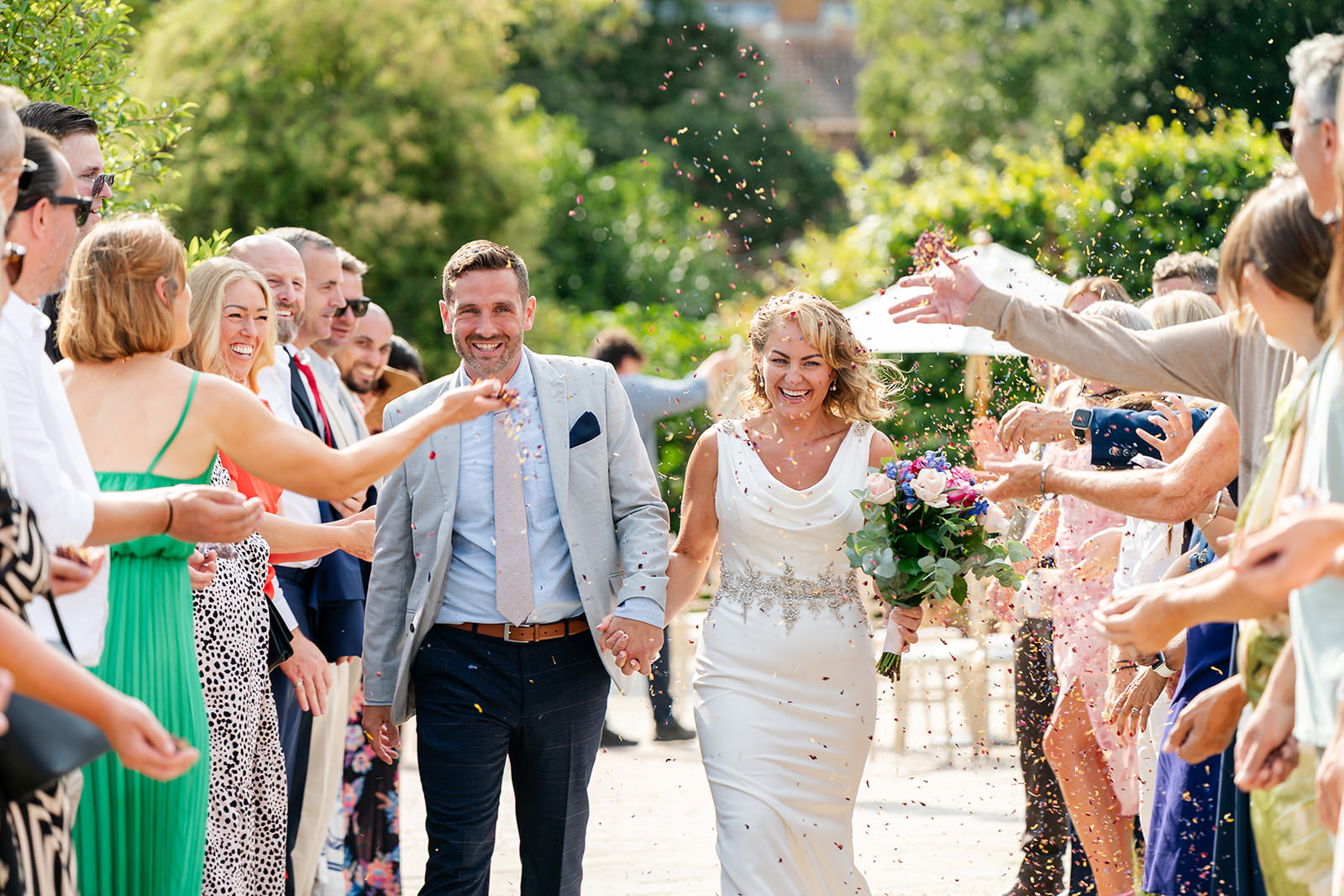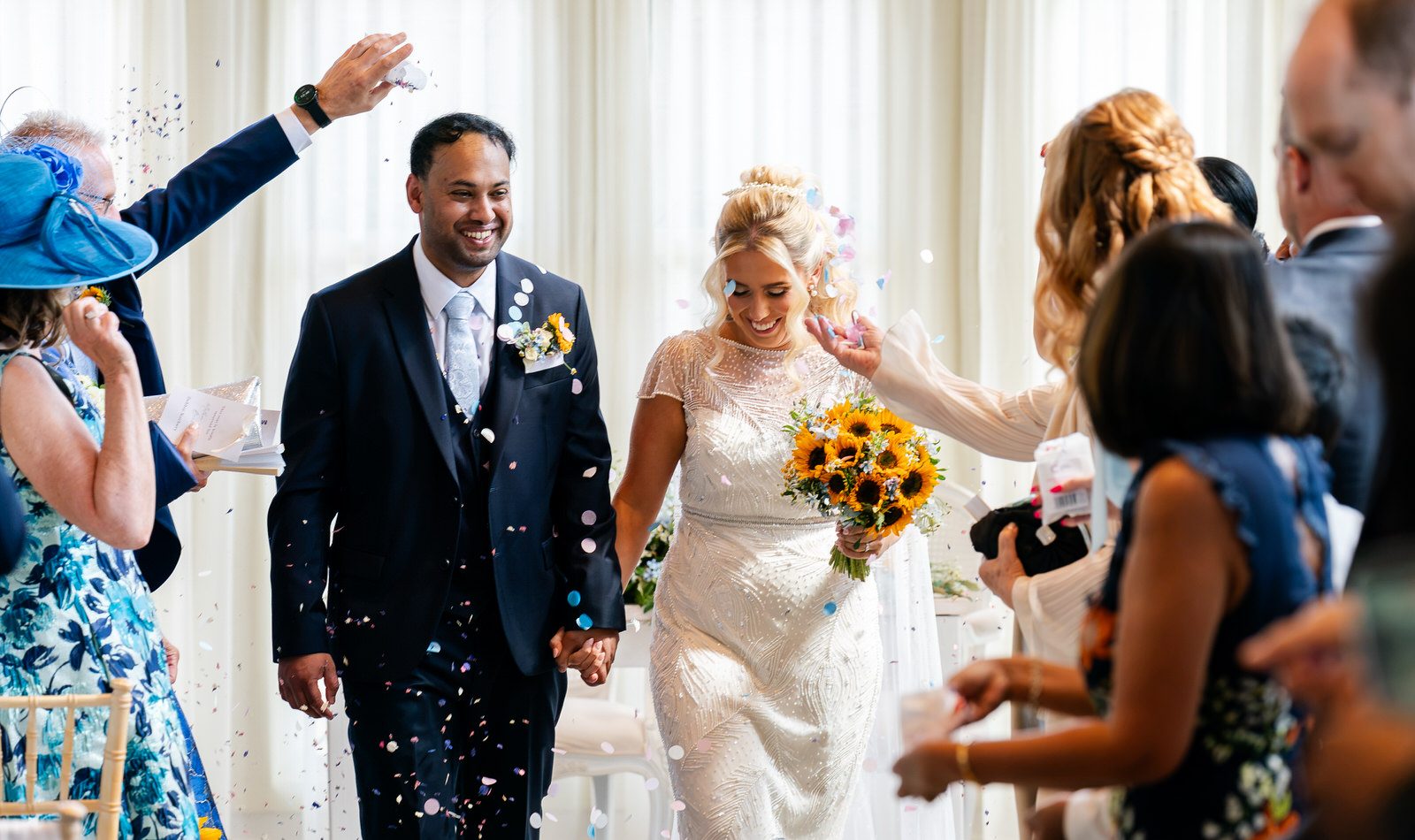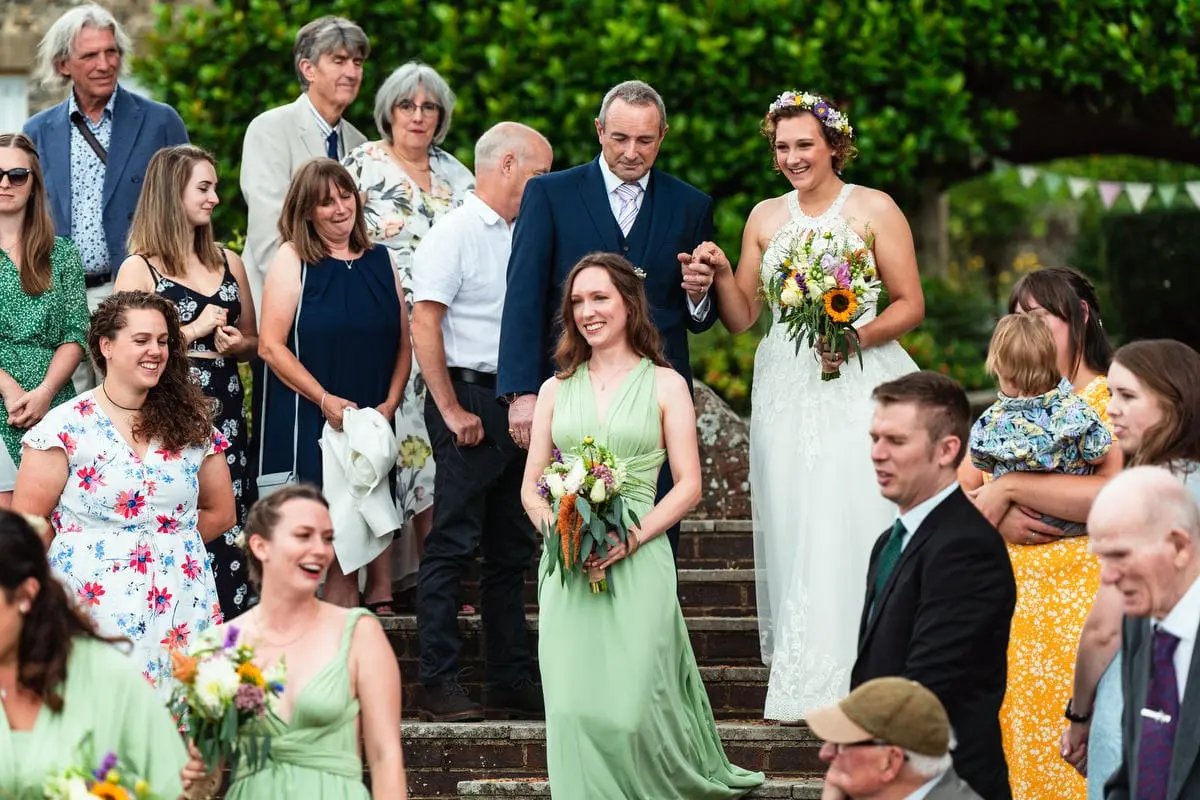
Family wedding photos can fit comfortably into a relaxed, documentary wedding day. The key is agreeing which groups matter, making those groups easy to identify and choosing a practical time and place to photograph them.
Delays can build around the photograph itself: finding someone who has gone to their room, deciding whether another combination is needed or moving a large group across the venue. A little preparation helps reduce that uncertainty.
You don’t need to organise every interaction or give your guests a complicated timetable. A clear list and a few people who understand the plan can leave more room for the conversations, laughter and spontaneous moments you want remembered.
Can family group photographs fit a documentary approach?
Yes. Documentary photography focuses on genuine moments as they unfold, but it can still include a planned period for family photographs.
Lemontree Photography explicitly includes important family and group combinations alongside candid coverage. Az’s approach allows these photographs to be organised while keeping the wider day relaxed and centred on the celebration. Lemontree Photography
The distinction is how much of the wedding is directed. A focused group session can sit alongside a day otherwise spent observing real interactions.
You might want a photograph with your grandparents, one with your parents and another bringing both families together. Those images have a different purpose from candid photographs of the same people enjoying the reception. There’s room for both.
How do you decide which family photographs matter?
Start with the photographs you would genuinely miss if they weren’t taken.
Talk through the list together before adding requests from other people. Consider who matters to you, which combinations would be meaningful and whether there are relatives you rarely have the opportunity to photograph together.
Then check for unnecessary repetition. A large family group followed by several smaller combinations may be entirely worthwhile, but each should have a reason.
For example, you might want one photograph of your extended family and a separate one with a grandparent. That smaller photograph could have particular personal value. You don’t need every possible variation simply because the people are already standing together.
Should you set a maximum number of groups?
Agree a realistic list with your photographer rather than relying on a universal number.
Six straightforward groups gathered in one place present a different task from six large groups involving guests spread across several buildings. Mobility, young children, the venue layout and overlapping combinations all affect the arrangements.
Separate your list into essential photographs and optional combinations. This gives your photographer a clear understanding of your priorities if the schedule changes.
What information should your group photo list include?
Use names as well as relationships. “Couple with Sam, Jo, Priya and Daniel” is easier to check than “close family”, particularly when your photographer hasn’t met everyone.
A useful list can follow this format:
| Group | People required | Helpful note |
|---|---|---|
| Couple with grandparents | Names of everyone included | Seat available nearby |
| Couple with one side of the family | Names of everyone included | Gather before the next group |
| Couple with both sets of parents | Names of everyone included | Any positioning preferences shared privately |
| Couple with siblings | Names of everyone included | Include partners only if requested |
This is an example structure, rather than a prescribed list. Your own combinations should reflect your family.
Share the finished version with your photographer and anyone helping gather guests. Keep one agreed version so people aren’t working from different lists.
If you change a group, tell the photographer before the session where possible. A handwritten addition that only one helper has seen can create avoidable confusion.
How can you gather guests without creating long waits?
Ask one or two reliable people who know the relevant guests to help. Explain their role beforehand and give them the agreed list.
Their job is to find the people needed for the next photograph while the photographer concentrates on the current group. They don’t need to direct the photography or take responsibility for the whole reception.
Choose people who are comfortable approaching guests and are likely to stay nearby. Being familiar with both sides of the family is helpful, although separate helpers may work better if the families haven’t met.
Tell the guests involved roughly when and where they’ll be needed. Asking someone to remain near the terrace after the ceremony is more useful than hoping they’ll hear their name from another room.
Does everyone need to wait throughout the session?
Usually, only the people needed for the current and upcoming groups need to remain close.
Your photographer can help arrange the order so guests are released once their photographs are finished. This can be particularly useful for anyone who finds standing uncomfortable.
Avoid sending people away too quickly if they appear in another essential group. Checking the overlaps beforehand helps prevent having to find the same person twice.
Where and when should group photographs happen?
Choose the location with your photographer. The most attractive backdrop isn’t always the most practical space for a group.
Consider the light, available room, background and how easily everyone can reach it. A nearby level area may work better than a distant garden reached by steps or uneven ground.
Agree an indoor or sheltered alternative too. If the weather changes, having a workable fallback can reduce last-minute movement and discussion.
Timing should fit the ceremony, reception arrangements and the needs of the people involved. Your photographer and venue team can help identify a suitable window.
For example, a venue may need guests to move into the wedding breakfast at a particular time. Planning the group session against that deadline helps everyone understand what is achievable.
If your schedule is still developing, discuss your plans before assigning a fixed photography slot.
How should you plan for accessibility and family sensitivities?
Share practical requirements privately with your photographer before the wedding.
Someone may need seating, find uneven surfaces difficult or have limited energy for standing and walking. The useful information is what would make the session comfortable for them. You don’t need to disclose personal medical details.
Allow people to use the seating or mobility aids they need. The photograph should work around their comfort.
Family relationships also deserve consideration. If there are separations, bereavements or strained relationships, explain the relevant group arrangements discreetly. Your photographer shouldn’t have to discover a sensitive situation while calling people together.
Clear names and agreed combinations can avoid awkward public decisions. If certain people shouldn’t be grouped together, make that clear in advance.
What if someone asks for extra photographs on the day?
Additional requests can be meaningful, especially when relatives have travelled a long way to attend. The difficulty comes when several unplanned combinations begin extending the session.
Agree how you’d like these requests handled. You may prefer to complete the essential list first, then consider other photographs if time allows.
Some smaller combinations could be photographed later during a natural break. Others may need everyone gathered at once. Let your photographer assess what is practical rather than repeatedly interrupting the agreed sequence.
You’re allowed to keep the planned session focused while still making space for photographs that matter.
Frequently asked questions
Can children be included in family group photographs?
Yes. Tell your photographer which groups include children so their needs can be considered when arranging the order. Keeping nearby waiting time manageable and having a familiar adult available can help.
Can we photograph a relative who needs to leave early?
Mention this before the wedding and identify the photographs involving them. Your photographer can discuss a suitable opportunity within the coverage and schedule.
Do we need a photograph of every guest together?
Only if you want one and it’s practical. An all-guest photograph has different space and organisation requirements from smaller family groups, so discuss it separately.
Can we skip formal family photographs altogether?
Yes. It’s your choice. Before deciding, consider whether there are any particular people or combinations you would value having recorded deliberately.
A simple plan for your family photographs
- Agree your essential groups and write down everyone’s names.
- Share accessibility requirements and sensitive arrangements privately.
- Confirm the location, fallback space and timing with your photographer.
- Brief your gathering helpers and let guests know when they’re needed.
The aim is to make these photographs straightforward enough that you can enjoy them. Once the important combinations are captured, you can return to your guests and let the rest of the day unfold naturally.
For relaxed wedding photography that includes both candid moments and the family photographs you value, contact Lemontree Photography to discuss your plans.
Phone: 07847 046360
Email: az@lemontree-photography.co.uk
Find out more: Contact Lemontree Photography