How Does Hybrid Wedding Photography Combine Photos and Video?
Hybrid wedding photography combines still photography with short video clips to create a fuller, more atmospheric record of your wedding day. Instead of booking separate photo and video teams, a hybrid wedding photographer captures natural photographs alongside selected moving moments, giving couples both a beautiful image gallery and a short wedding film or highlight reel.
For couples who love the idea of video but do not want a large production crew, hybrid coverage can feel like a relaxed middle ground. It keeps the focus on the real experience of the day while adding movement, sound and atmosphere that photographs alone cannot always capture.
At its best, hybrid wedding photography is not about turning your wedding into a film set. It is about quietly preserving the feeling of the day in two complementary ways: timeless photographs and gentle, cinematic video moments.
What is hybrid wedding photography?
Hybrid wedding photography is a style of wedding coverage where one photographer captures both still images and video during the same day. The photographer uses equipment and a workflow that allows them to switch between photography and filming without disrupting the flow of the wedding.
The final result usually includes a full set of edited wedding photographs and a short video, such as a highlights film. Some photographers may also offer short social clips or additional edits, depending on their service.
The video side of hybrid coverage is usually more selective than full wedding videography. It focuses on meaningful moments, atmosphere, movement and emotion rather than recording every part of the day continuously.
This might include:
- The movement of the dress or veil
- Guests arriving and greeting each other
- The couple walking together after the ceremony
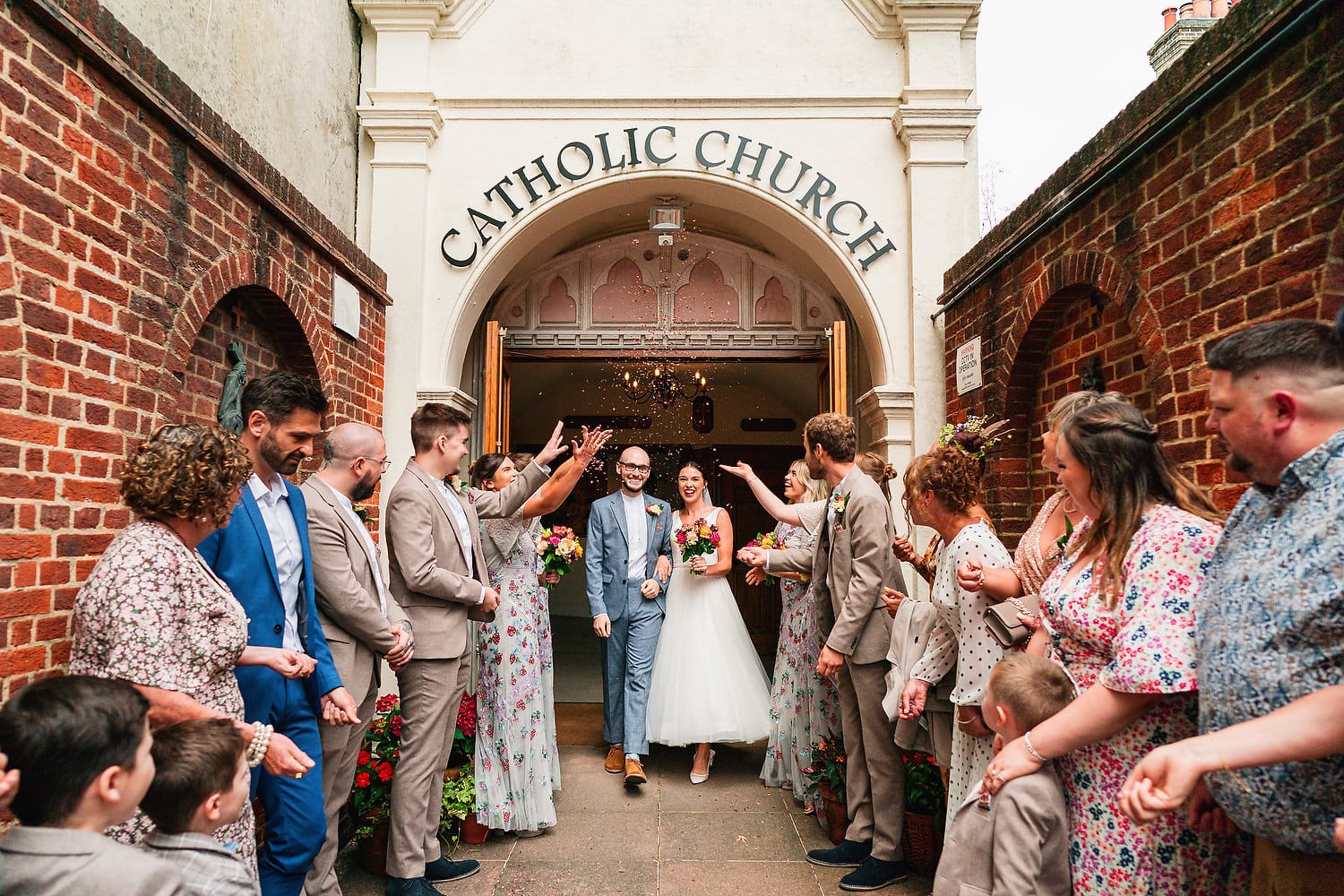
- Confetti being thrown
- Speeches and reactions
- Details of the venue and styling
- Dancing and evening atmosphere
The photography remains central, but video adds an extra layer to the story.
Why do photos and video work well together?
Wedding photographs and wedding films do different things. Photographs freeze a moment. Video lets that moment breathe.
A still image might capture a parent wiping away a tear during the ceremony. A video clip might show the hand movement, the pause, the sound in the room and the emotion building around it. Both are valuable, but they tell the story in different ways.
Photos are timeless and easy to revisit
Photographs are often the part of the wedding record couples return to most frequently. They can be printed, framed, placed in albums, shared with family and viewed quickly. A single image can carry huge emotional weight.
Wedding photography is also excellent for preserving small expressions, details and split-second reactions. A strong photograph gives you time to study the moment.
Video captures sound, movement and atmosphere
Video can capture elements that photographs cannot: voices, laughter, music, movement, applause and the rhythm of the day.
This is especially powerful for moments such as vows, speeches, confetti walks and first dances. Even a short clip can bring back the feeling of being there.
Hybrid coverage joins the two naturally
The value of hybrid wedding photography is that the two formats support each other. The photographs provide the depth and detail of the day. The video adds motion and feeling.
When handled well, hybrid coverage should feel seamless. The couple should not feel as though they are switching between a photoshoot and a film shoot. Instead, the photographer captures the day naturally, using the right format for the right moment.
Couples who already like a natural, documentary approach to wedding photography often find hybrid coverage appealing because it can preserve extra atmosphere without making the day feel heavily staged.
How does one person capture both wedding photos and video?
A skilled hybrid wedding photographer plans carefully and works with intention. They cannot photograph and film every second at the same time, so they need to understand which moments are best suited to each format.
This is where experience matters. The photographer must anticipate what is likely to happen and decide whether a still image, a video clip or both will tell the story most effectively.
The photographer works selectively
Hybrid coverage is not usually continuous filming. Instead, the photographer captures video clips at key points throughout the day while still prioritising the photography.
For example, during morning preparations, they may photograph natural interactions and then capture short video clips of details, movement and atmosphere. During the confetti moment, they may plan the setup so both stills and video can be captured effectively.
The aim is to gather enough moving footage to create a meaningful film without missing the important photographs.
Equipment needs to support a quick workflow
Hybrid photographers often use cameras that are capable of high-quality stills and video. They may work with multiple camera bodies, stabilisation tools, microphones or compact audio equipment, depending on the level of video coverage offered.
The equipment should help the photographer work smoothly, not dominate the day. Couples usually choose hybrid coverage because they want a relaxed approach, so the kit needs to support that discreet style.
Planning helps avoid missed moments
Hybrid wedding photography works best when the photographer understands the flow of the wedding in advance. Timings, ceremony rules, speech plans, venue layout and lighting all affect how photos and video are captured.
Before the day, it is helpful to discuss:
- Ceremony timings and restrictions
- Whether vows or speeches should be recorded
- Confetti plans
- Couple portrait timings
- Evening lighting and first dance plans
- Any moments that feel especially important
This planning allows the photographer to work confidently without needing to interrupt the day repeatedly.
What is the difference between hybrid photography and full wedding videography?
Hybrid wedding photography and full wedding videography are not the same thing. Both can be valuable, but they suit different priorities.
A full wedding videographer is dedicated entirely to filming. They may use multiple cameras, audio setups, stabilisers, drones where allowed, lighting and longer-form editing. Their role is to produce a more complete film record of the day.
A hybrid wedding photographer provides photography first, with video added in a more selective and lightweight way.
Full videography offers more extensive film coverage
Full wedding videography may include longer edits, full ceremony films, full speeches, multiple camera angles and a more cinematic production style. This can be ideal for couples who see the wedding film as one of their main priorities.
It can also be useful for couples who want a detailed record of vows, readings, speeches and guest messages.
Hybrid coverage is more discreet
Hybrid wedding photography is often less intrusive. Because one person is handling both formats, there is usually less equipment, fewer people moving around and a quieter presence throughout the day.
This can be appealing for couples who want video but feel uncomfortable with the idea of a larger filming setup.
Hybrid does not replace every type of videography
It is important to be realistic. Hybrid coverage is not designed to replace a full multi-camera film production. It is better suited to couples who want a short, emotional highlights film alongside their photographs.
If your main priority is a detailed wedding film, a dedicated videographer may be a better fit. If your priority is natural photography with the added benefit of movement and sound, hybrid coverage may be ideal.
What moments work best for hybrid wedding coverage?
Some parts of a wedding day lend themselves especially well to video. These are usually moments where movement, sound or atmosphere adds something that a still photograph cannot fully show.
Morning preparations
Video can capture the quiet anticipation of the morning beautifully. This might include dresses moving, hands fastening details, flowers being placed, champagne being poured or friends laughing together.
These moments do not need to be staged. Small clips can help set the tone for the final film.
Ceremony moments
The ceremony is often emotionally rich. Video can be especially powerful for entrances, vows, readings, ring exchanges and the moment the couple walk back down the aisle together.
If audio is important, this should be discussed before the wedding. Capturing clear sound requires planning and may depend on venue rules.
Confetti and congratulations
Confetti is ideal for hybrid coverage because it is full of movement. The photographs capture expressions and composition, while video captures the energy, motion and cheers.
The same applies to the moments immediately after the ceremony, when guests are hugging, laughing and congratulating the couple.
Couple portraits
Even if the portraits are relaxed and natural, a few short video clips can work beautifully. Walking together, adjusting a veil, holding hands or laughing between photographs can add warmth to a highlights film.
This should not feel like acting. The best clips usually come from natural movement rather than posed sequences.
Speeches and evening celebrations
Speeches, reactions and dancing all benefit from motion and sound. A short clip of laughter during a speech or the atmosphere of the dance floor can bring the final film to life.
For many couples, these are the moments they most enjoy watching back because they capture the energy of the celebration.
Is hybrid wedding photography right for your wedding?
Hybrid wedding photography can be a great choice if you want natural photography as your main focus, but you would also love a short film that captures the atmosphere of the day.
It may suit you if:
- You want photos and video without booking two separate teams
- You prefer a relaxed, unobtrusive style
- You want a short highlights film rather than a long production
- You value candid moments, movement and emotion
- You want your wedding day to feel natural rather than staged
It may not be the best choice if you want extensive video coverage, full ceremony footage, full speeches, multiple camera angles or a longer cinematic film. In that case, a dedicated videographer may be more suitable.
The key is to be clear about what matters most to you. If photography is the priority and video is a beautiful extra layer, hybrid coverage can work very well.
What should couples ask before booking hybrid coverage?
Before choosing hybrid wedding photography, it is worth asking practical questions so you understand exactly what is included.
Useful questions include:
- What photography coverage is included?
- What kind of video edit will we receive?
- How long is the final film likely to be?
- Is audio included for vows or speeches?
- Will video affect the number of photographs delivered?
- Can we see examples of full galleries and films?
- How do you manage both formats during key moments?
Clear answers help avoid confusion. Every photographer’s hybrid service may be slightly different, so it is important to know whether you are receiving short highlight clips, a single edited film, social media reels or a more developed video package.
You can also explore examples of natural wedding storytelling through the portfolio to get a better feel for how still images and movement can work together.
How does hybrid coverage affect the wedding day experience?
For most couples, good hybrid coverage should not dramatically change the feel of the wedding day. The photographer still works quietly, observes real moments and keeps things moving naturally.
The main difference is that the photographer may occasionally spend a few seconds capturing motion where they might otherwise only take stills. This should be done with minimal disruption.
Timings may need a little breathing room
Hybrid coverage can benefit from a relaxed schedule. If the day is extremely rushed, there may be fewer opportunities to capture thoughtful video clips.
This does not mean building the day around the camera. It simply means allowing enough space for real moments to happen.
Communication matters
If there are moments you definitely want included in the film, discuss them before the day. This helps the photographer prioritise the right things.
For example, some couples care deeply about speeches. Others are more interested in atmosphere, venue details and evening celebrations. Knowing this in advance helps shape the final story.
The approach should still feel natural
Hybrid wedding photography should not make the day feel like a production. If you are choosing it because you want relaxed coverage, the process should support that feeling.
The best results usually come when couples feel comfortable, trust the photographer and focus on enjoying the wedding rather than thinking about the camera.
Frequently Asked Questions
Does hybrid wedding photography include a full wedding film?
Not usually. Hybrid wedding photography often includes a shorter highlights film or selected video clips rather than a full-length wedding film. Exact inclusions depend on the photographer’s package, so it is worth checking before booking.
Will choosing hybrid coverage mean fewer wedding photos?
It can depend on the photographer and the structure of the day. Because some time is spent capturing video, there may be slight differences in workflow. However, photography usually remains the main focus of hybrid coverage.
Can hybrid wedding photography capture speeches?
It may be possible to include parts of speeches, but clear audio needs planning. If speeches are important to you, ask whether audio recording is included and how it will be handled on the day.
Is hybrid wedding photography cheaper than booking a photographer and videographer?
It can be more cost-effective than booking two separate suppliers, but the main benefit is not just price. Many couples choose hybrid coverage because it offers a simpler, more discreet experience with both photos and video handled in one style.
Can hybrid coverage work at countryside wedding venues?
Yes, it can work beautifully. Countryside venues often offer natural movement, changing light, scenic backdrops and relaxed outdoor moments, all of which can suit both photography and video. Planning is still important, especially around weather, timings and access.
Final thoughts
Hybrid wedding photography brings together the strengths of still images and moving film. Photographs capture timeless details and expressions, while video preserves movement, sound and atmosphere.
For couples who want natural, documentary-style photography with an added emotional layer, hybrid coverage can be a thoughtful and relaxed option. It does not need to turn the wedding into a production. Done well, it simply gives you more ways to remember how the day felt.
The most important thing is to understand what hybrid coverage includes and whether it matches your priorities. If you want a full cinematic wedding film, a dedicated videographer may be the right choice. If you want natural photography first, with a short film that captures the life and feeling of the day, hybrid wedding photography may be the perfect fit.
For relaxed wedding photography with a natural storytelling approach, learn more about Lemontree Photography’s wedding photography, browse the portfolio, or get in touch through the contact page.
Phone: 07847 046360
Email: az@lemontree-photography.co.uk
Find out more: https://www.lemontree-photography.co.uk/
See my work on Instagram